
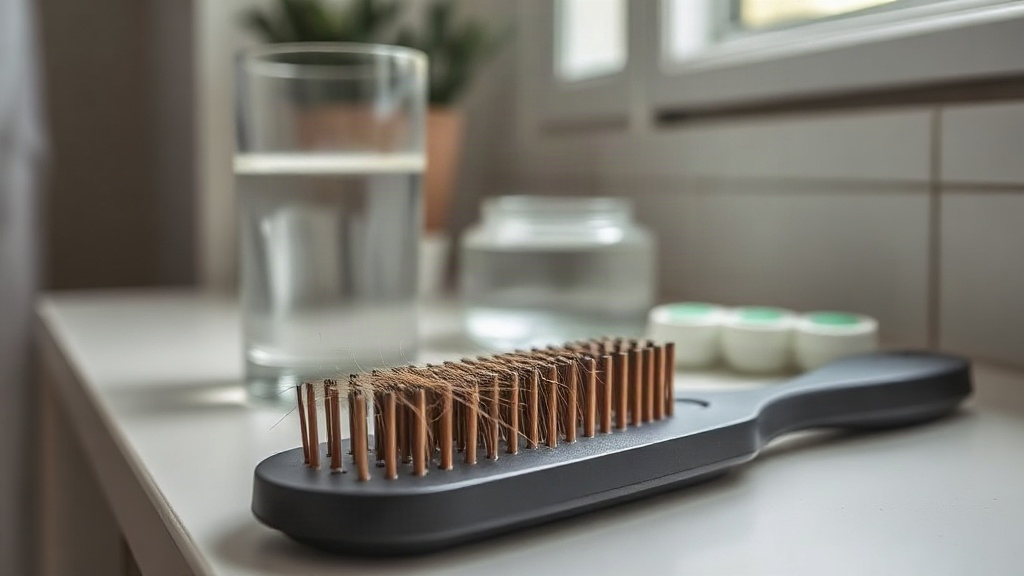
If you or someone you know has started a GLP-1 medication like semaglutide (Ozempic, Wegovy) or tirzepatide (Mounjaro, Zepbound), you've probably heard a mix of excitement and caution. These drugs have transformed how millions of people manage type 2 diabetes and obesity, but as their use has skyrocketed, so has curiosity about their side effects. One that keeps popping up in online forums and clinic conversations: hair loss. Is it a real concern, or just another internet rumor? Let's separate signal from noise.
What Are GLP-1 Receptor Agonists?
GLP-1 receptor agonists are medications that mimic a hormone your gut releases after you eat. They slow digestion, curb appetite, and help regulate blood sugar. Originally approved for type 2 diabetes, they're now widely prescribed for weight loss. Roughly 20 million people across the US, UK, and EU are estimated to be using them, according to survey data and market analyses. That's a lot of people, which means even rare side effects get noticed quickly.
The Hair Loss Connection: What the Evidence Says
Hair shedding has become a hot topic among researchers. In one survey of GLP-1 users, about 20% reported noticeable hair loss. That's a striking number, but it comes with a big caveat: surveys rely on self-reporting, and there's no large randomized controlled trial specifically designed to measure hair loss as an endpoint. So we can't say for sure that the drugs directly cause hair loss in one out of five users. What we can say is that the connection is plausible, and it's getting more attention.
Why Hair Shedding Happens
Hair grows in cycles. At any given time, most follicles are in a growing phase, while a small percentage are in a resting phase. When the body experiences a shock, like rapid weight loss, major surgery, or severe stress, a larger-than-normal number of follicles can enter the resting phase and then shed a few months later. This condition is called telogen effluvium, and it's the most likely explanation for GLP-1-related hair loss. It's temporary, but it can be alarming.
Is It the Drug or the Weight Loss?
This is the million-dollar question. Rapid weight loss itself, whether from dieting, bariatric surgery, or medication, is a known trigger for telogen effluvium. So it's possible that the hair shedding isn't caused by the drug's chemistry but by the dramatic changes in calorie intake and body composition. On top of that, GLP-1 drugs can reduce appetite so much that some users eat far less protein and fewer micronutrients than their hair needs to stay healthy. Nutrient deficiencies in iron, zinc, and vitamin D are classic contributors to hair loss.
What About Nutrient Absorption?
GLP-1 agonists slow gastric emptying, which can affect how quickly food moves through your system. For most people, this doesn't cause malabsorption, but if you're eating very little, you might not be getting enough of the building blocks for hair growth. That's why clinicians often recommend a protein-rich diet and sometimes supplements when patients report shedding.
Who Is Most at Risk?
Not everyone on a GLP-1 will lose hair. Based on clinical observations and survey data, these groups seem more vulnerable:
- People who lose weight very quickly. The faster the weight comes off, the higher the chance of telogen effluvium.
- Those with pre-existing nutrient deficiencies. Low iron or vitamin D before starting treatment can make things worse.
- Individuals with a history of hair loss. Androgenetic alopecia or previous episodes of shedding may increase susceptibility.
- People who undereat. Skipping meals or drastically cutting calories can starve hair follicles.
What Can You Do About It?
If you're noticing more hair in your brush or shower drain, don't panic. Telogen effluvium typically resolves within six to twelve months once the trigger is removed or the body adapts. Here are practical steps:
- Talk to your prescriber. They can assess whether your dose needs adjustment or if another medication might suit you better.
- Prioritize protein. Aim for at least 1.2 to 1.6 grams of protein per kilogram of body weight daily, unless your doctor advises otherwise.
- Check your levels. Ask for blood tests for iron, ferritin, vitamin D, zinc, and thyroid function.
- Be gentle with your hair. Avoid tight hairstyles, harsh chemicals, and excessive heat styling.
- Consider topical treatments. Minoxidil may help, but discuss it with your doctor first, especially if you're on other medications.
The Bigger Picture: Weighing Benefits and Risks
For many people, the cardiovascular and metabolic benefits of GLP-1 drugs far outweigh the cosmetic concern of temporary hair shedding. These medications can lower blood sugar, reduce heart risk, and lead to significant weight loss that improves overall health. But that doesn't mean side effects should be ignored. The key is open communication with your healthcare provider. If hair loss is distressing, it's a valid reason to explore alternatives or adjust your regimen.
What Research Is Still Needed
The lack of randomized controlled trial data is a real gap. Most of what we know comes from surveys, case reports, and clinical experience. Researchers are calling for more rigorous studies to determine the true incidence of hair loss and to identify the mechanisms. Until then, the best approach is personalized care: monitor your symptoms, nourish your body, and work with a clinician who listens.
Frequently Asked Questions
Is hair loss from GLP-1 drugs permanent?
In most cases, no. If the shedding is due to telogen effluvium, hair typically regrows once the trigger is resolved, such as stabilizing weight or correcting nutrient deficiencies. However, if you have an underlying genetic predisposition to hair loss, the drug might unmask it, and regrowth may be partial.
How long after starting Ozempic or Mounjaro does hair loss begin?
Telogen effluvium usually appears two to four months after a triggering event. So if you started a GLP-1 and notice shedding around the three-month mark, that timing fits the pattern. It can also occur later if weight loss continues rapidly.
Should I stop taking my GLP-1 if I notice hair loss?
Never stop a prescribed medication without talking to your doctor. Hair loss is rarely a medical emergency, and stopping abruptly can cause other issues, like blood sugar spikes. Your doctor can help you weigh the pros and cons and adjust your treatment plan.
Are some GLP-1 drugs more likely to cause hair loss than others?
There's no clear evidence that one GLP-1 is worse than another. The effect seems more related to the speed and magnitude of weight loss and nutritional factors than to the specific drug. That said, everyone reacts differently, so report any changes to your provider.
Can I prevent hair loss while on a GLP-1?
You can reduce the risk by losing weight at a moderate pace, eating enough protein and micronutrients, and managing stress. Some clinicians recommend a multivitamin or targeted supplements if blood tests show deficiencies. But there's no guaranteed prevention, and some shedding may still occur.