
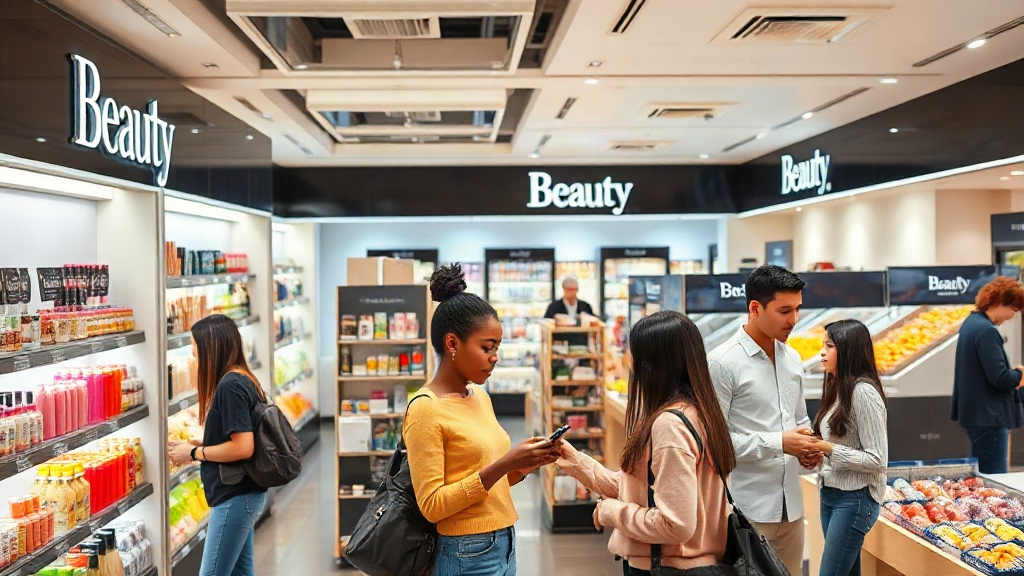
In a bold move to rejuvenate its image and capture the spending power of younger consumers, Marks & Spencer (M&S) has announced a partnership with French beauty giant Sephora. The deal will see Sephora-branded areas open inside 100 M&S stores across the UK, staffed by Sephora employees, and Sephora products will also be sold on M&S's website. The rollout is slated for spring next year, marking a significant shift in M&S's strategy to remain relevant in a rapidly changing retail landscape.
This collaboration is not just about adding lipsticks and lotions to shelves; it's a strategic play to attract millennials and Gen Z shoppers who might otherwise overlook M&S as a destination for beauty and fashion. By joining forces with Sephora, a brand synonymous with trendy, inclusive beauty, M&S is signaling that it understands the need to evolve. The partnership also underscores the growing importance of experiential retail, where physical stores must offer more than just products to draw in customers.
Why M&S Needs Sephora
M&S has long been a staple of British high streets, but in recent years it has struggled to shed its reputation as a retailer for older generations. While its food halls thrive, its clothing and home divisions have faced declining footfall. The beauty category, in particular, has been a weak spot, with many younger shoppers opting for specialist retailers like Boots, Superdrug, or online giants such as Cult Beauty and Lookfantastic. By partnering with Sephora, M&S gains instant credibility and appeal among beauty enthusiasts who trust Sephora's curated selection of brands.
Moreover, Sephora's presence can drive foot traffic to M&S stores. Beauty shoppers often visit stores to test products, seek advice, and discover new items. Once inside, they may also browse other departments, from lingerie to homeware. This cross-shopping potential is a key motivator for the tie-up. For Sephora, which has yet to establish a significant physical footprint in the UK after closing its standalone stores in 2005, the deal offers a low-risk, high-reward entry point. By leveraging M&S's extensive store network and loyal customer base, Sephora can reintroduce itself to British consumers without the hefty investment of opening its own stores.
The Shifting Landscape of UK Beauty Retail
The UK beauty market is fiercely competitive, valued at over £27 billion and growing. Consumers are increasingly knowledgeable, thanks to social media and influencer culture, and they demand variety, transparency, and ethical practices. Sephora has excelled in this environment by offering a mix of established and indie brands, often with a strong digital presence. Its loyalty program, Beauty Insider, has millions of members worldwide and fosters a community around beauty discovery.
For M&S, tapping into this ecosystem could be transformative. The retailer has already made strides in revamping its clothing lines and improving its online presence, but beauty remains a gap. The partnership allows M&S to offer a compelling beauty destination without having to build one from scratch. It's a classic example of 'if you can't beat them, join them' – or rather, partner with them.
What This Means for Shoppers
For consumers, the M&S-Sephora collaboration promises greater convenience and choice. Imagine popping into your local M&S for groceries and being able to browse Sephora's latest launches, get a makeover, or pick up a birthday gift. The integration of Sephora into M&S's website also means you can order beauty products alongside your weekly shop, with potential click-and-collect options. This seamless blending of essentials and indulgences could redefine the shopping experience.
However, questions remain about pricing and product range. Will M&S shoppers, accustomed to moderate price points, embrace Sephora's often premium offerings? Sephora does carry affordable lines, but its core appeal lies in mid-to-high-end brands. M&S will need to ensure that the Sephora areas are accessible to its existing clientele while attracting new ones. The success of the venture will hinge on execution: staff expertise, store layout, and marketing will all play crucial roles.
The Strategic Rationale Behind the Deal
This partnership is part of a broader trend of retailers joining forces to combat changing consumer habits. Physical retail is no longer just about transactions; it's about experiences. By hosting Sephora, M&S creates a point of differentiation that online-only retailers cannot easily replicate. It also allows M&S to test the waters of beauty retail without fully committing to buying inventory or managing supply chains for cosmetics. Sephora, meanwhile, gains physical visibility and can leverage M&S's logistics and customer service infrastructure.
From a financial perspective, the deal could boost M&S's sales per square foot, a key metric for retailers. Beauty products typically have higher margins than groceries, so even a modest increase in footfall could translate into meaningful revenue. Additionally, the partnership may help M&S reduce its reliance on discounts and promotions in its clothing division by driving organic traffic.
Challenges and Considerations
No partnership is without risks. Integrating two distinct corporate cultures – M&S's traditional British sensibility and Sephora's fast-paced, trend-driven French flair – will require careful management. Staff training will be paramount to ensure that Sephora employees feel part of the M&S ecosystem while maintaining their brand's identity. There's also the question of space: carving out dedicated areas in 100 stores means reconfiguring layouts, which could disrupt other departments.
Furthermore, the beauty market is not static. Competitors like Boots are revamping their own offerings, and online players continue to innovate with virtual try-ons and personalized recommendations. M&S and Sephora will need to stay agile and perhaps introduce exclusive products or experiences to keep shoppers engaged. The spring launch will be a litmus test for how well the partnership resonates with British consumers.
Frequently Asked Questions
When will Sephora open inside M&S stores?
The first Sephora-branded areas are expected to launch in spring next year. The rollout will begin with a selection of stores, eventually expanding to 100 locations across the UK.
Will Sephora products be available on the M&S website?
Yes, Sephora products will be sold through M&S's website, allowing customers to shop beauty and groceries in one transaction. This omnichannel approach is central to the partnership.
How many M&S stores will feature Sephora?
The plan is to open Sephora areas in 100 M&S stores. The specific locations have not been announced, but they are likely to include major city centers and high-traffic retail parks.
Will Sephora employees work in the M&S stores?
Yes, the Sephora areas will be staffed by Sephora employees who are trained in the brand's products and services. This ensures an authentic Sephora experience within M&S.
Why is M&S partnering with Sephora?
M&S aims to attract younger shoppers and revitalize its beauty offering. Sephora's popularity among millennials and Gen Z makes it an ideal partner to drive footfall and enhance the in-store experience.