
When we think of insects, we often picture pests or buzzing annoyances. Yet a growing body of research reveals that these six-legged creatures are far more than nuisances; they are the backbone of many vertebrate survival strategies. From providing essential protein to offering shelter and even medical remedies, insects play multifaceted roles that keep ecosystems humming. This article explores the often-overlooked contributions of insects to vertebrate life and why their decline should concern us all.
More Than a Meal: Insects as Essential Food
For countless vertebrates, insects are a primary food source. Birds, reptiles, amphibians, and mammals alike rely on insects for protein, especially during critical life stages. For example, many bird species feed their chicks almost exclusively on insects, which are rich in nutrients necessary for rapid growth. Without these protein-packed morsels, breeding success would plummet.
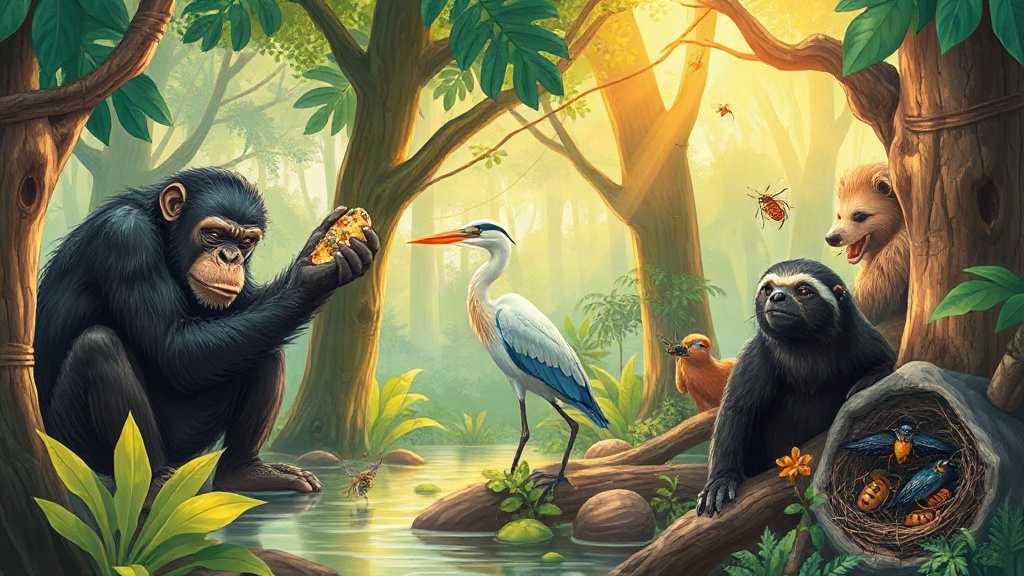
But the relationship goes beyond mere sustenance. Some animals have evolved specialized hunting techniques to exploit insect populations. Herons, for instance, have been observed using insects as fishing bait—a behavior that demonstrates cognitive sophistication and a deep reliance on insects for securing food. This isn't just about survival; it's about thriving.
Unlikely Shelters: Insects as Architects
Insects don't just fill stomachs; they also provide homes. Take termites, whose mounds offer a temperature-controlled sanctuary for other species. Birds and reptiles lay their eggs inside these mounds, benefiting from the stable microclimate that termites maintain. The mounds protect eggs from extreme temperatures and predators, boosting reproductive success.
Similarly, some desert frogs seek refuge in ant nests, where the humidity is higher than in the surrounding arid environment. These frogs would otherwise desiccate under the harsh sun. By co-opting insect architecture, these vertebrates gain a safe haven. Such examples underscore how insects shape habitats for others.
Nature's Medicine Cabinet: Insects as Remedies
Perhaps the most surprising role of insects is in medicine—not for humans, but for other animals. Chimpanzees have been observed using insects to treat wounds. They catch insects, chew them into a paste, and apply it to injuries. This self-medication suggests that insects possess antimicrobial properties that can aid healing. While the exact compounds are still under investigation, this behavior hints at a sophisticated understanding of natural pharmacy.
Moreover, sloths rely on moths to maintain the algae in their fur. The algae provide camouflage and a supplementary food source. The moths, which live in the sloth's fur, fertilize the algae with their droppings, creating a symbiotic cycle. Without the moths, the algae would diminish, and the sloth would lose both its disguise and a nutritional supplement. This intricate dependency highlights how insects can be both providers of food and facilitators of health.
The Ripple Effects of Insect Decline
Given these vital roles, the global decline in insect populations is alarming. Habitat loss, pesticide use, and climate change are driving insect numbers down at unprecedented rates. When insects disappear, the vertebrates that depend on them face cascading consequences. Birds may fail to raise young, reptiles may lose nesting sites, and mammals may suffer from reduced health.
The loss of insects also disrupts ecosystem services that humans rely on, such as pollination and decomposition. While this article focuses on vertebrates, the impact on agriculture and food security is undeniable. Protecting insects is not just about saving bugs; it's about preserving the intricate web of life that includes us.
Conservation Implications and What We Can Do
Understanding the full scope of insect contributions should galvanize conservation efforts. Simple actions like planting native flowers, reducing pesticide use, and creating insect-friendly habitats can help. Additionally, supporting research on insect-vertebrate interactions can inform policies that protect these crucial relationships.
In urban areas, community gardens and green roofs can serve as refuges for insects and the animals that depend on them. Education is key: when people appreciate that insects are not just pests but partners in survival, they are more likely to advocate for their protection.
Frequently Asked Questions
How do insects serve as medicine for animals?
Some animals, like chimpanzees, use insects to treat wounds. They apply chewed insects to injuries, potentially benefiting from antimicrobial compounds. This behavior, known as zoopharmacognosy, shows that insects can be more than food—they can be part of a natural healing toolkit.
Which vertebrates rely on insects for shelter?
Birds and reptiles use termite mounds for nesting, while desert frogs inhabit ant nests for humidity. These examples illustrate how insects create microhabitats that support vertebrate reproduction and survival.
Why are insects important for sloths?
Sloths depend on moths to maintain algae in their fur. The algae provide camouflage and extra nutrition. The moths, in turn, rely on the sloth for habitat. This mutualistic relationship shows how insects can be integral to a vertebrate's health.
What happens if insect populations decline?
Insect decline can lead to food shortages for insectivorous vertebrates, loss of nesting sites, and reduced health for species that rely on insect-based remedies. It can also disrupt entire ecosystems, affecting humans through reduced pollination and other services.
How can we help protect insects?
Plant native plants, avoid pesticides, and create habitats like bug hotels or wildflower patches. Supporting organic farming and reducing light pollution also help. Small actions can make a big difference for insects and the vertebrates that depend on them.