
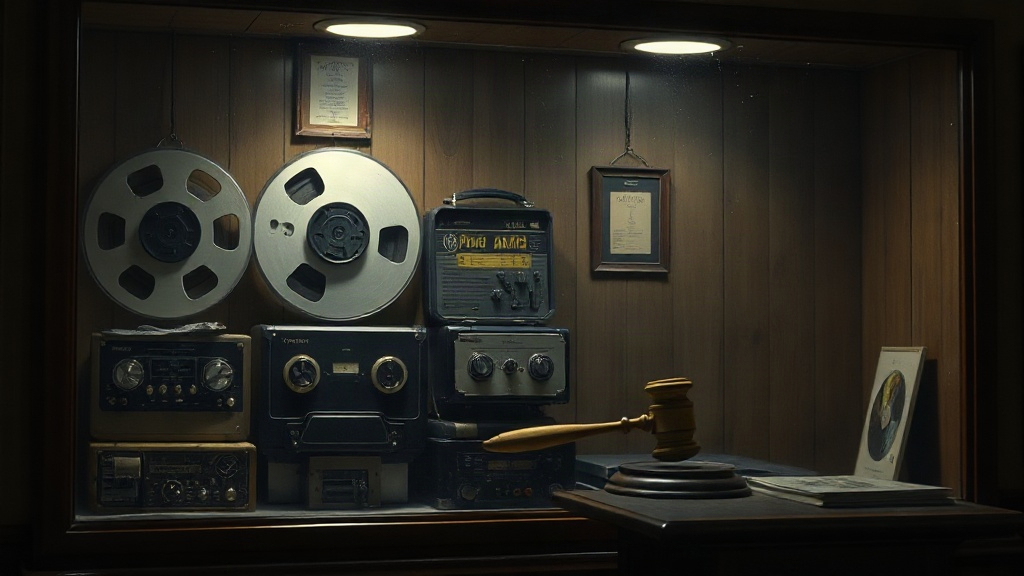
When a cache of Oasis archive recordings was slated to hit the auction block with a guide price of between £1.2 million and £1.6 million, it seemed like another chapter in the booming market for music memorabilia. But the band's representatives stepped in, and the sale was called off. The move raises fresh questions about who controls an artist's legacy, especially when the material in question spans the chaotic, era-defining years of Britpop.
The auction that wasn't
The collection reportedly included studio outtakes, live recordings, and other unreleased material from Oasis's early years. Auction houses often present such lots as rare windows into a band's creative process, and the six-figure estimate reflected the enduring global appetite for anything connected to the Gallagher brothers. Yet the sale never went ahead. According to reports, Oasis's management or legal team intervened, asserting that the recordings were not authorised for public sale. The exact mechanism of the intervention has not been made public, but the outcome is clear: the gavel never fell.
This isn't the first time an artist has moved to block an auction. In recent years, everyone from Prince's estate to Bob Dylan's representatives has taken action to keep unreleased material out of private hands. The difference here is the scale and the timing. Oasis are in the middle of a resurgence, with reunion shows selling out stadiums and a new generation discovering their back catalogue. An auction of archive recordings could have capitalised on that wave, but it also could have diluted the band's carefully managed narrative.
Why Oasis might want to keep a lid on it
At first glance, blocking an auction seems counterintuitive. A high-profile sale would generate headlines and reinforce the band's legendary status. But for artists of Oasis's stature, control is worth more than a one-off payday. Unreleased recordings can be a goldmine for future box sets, reissues, or documentary projects. If those tapes end up in a private collection, the band loses the ability to curate their own story.
There's also the question of quality. Archive recordings are not always the polished artefacts fans imagine. They can be rough demos, half-finished ideas, or live tapes with uneven sound. If such material surfaces without the band's blessing, it can confuse the legacy rather than enhance it. By blocking the auction, Oasis may be protecting both their brand and their artistic reputation.
Then there's the legal dimension. Copyright and ownership of recordings can be fiendishly complicated, especially for material created decades ago under different contracts. If the auction house couldn't prove clear title, the sale would have been risky anyway. Oasis's intervention may have simply accelerated a process that was already on shaky ground.
What this means for the booming memorabilia market
The market for music memorabilia has exploded in recent years. Guitars, handwritten lyrics, and stage-worn clothing regularly fetch six or seven figures. Unreleased recordings are particularly prized because they offer something no other collectible can: a glimpse behind the curtain. But as prices rise, so do the legal and ethical disputes.
For auction houses, the Oasis case is a reminder that provenance is everything. A guide price of £1.2 million to £1.6 million might attract bidders, but it also attracts lawyers. If the chain of ownership is not airtight, the sale can be halted at the eleventh hour, leaving both the auctioneer and the consignor red-faced. For artists, the case underscores the importance of proactive asset management. Many musicians from the 1990s are now old enough to have substantial archives, but not all have the infrastructure to manage them. Oasis's intervention suggests they do, or at least that they are willing to act when something slips through the net.
The fan perspective: frustration and relief
Reaction among Oasis fans has been mixed. Some are disappointed that the recordings won't see the light of day, at least not yet. For dedicated collectors, the idea of unheard sessions from the Definitely Maybe or (What's the Story) Morning Glory? era is tantalising. Others are relieved that the band is safeguarding its legacy. They would rather wait for an official release, with proper mastering and liner notes, than see the material dribble out through a private sale.
Social media buzzed with speculation about what the tapes might contain. Were there early versions of 'Live Forever' or 'Wonderwall'? Unreleased tracks that never made it onto albums? The band hasn't commented on the contents, and the auction house has remained tight-lipped. That silence has only fuelled the mystique.
What happens next?
The immediate future of the recordings is unclear. They could be returned to the consignor, held in legal limbo, or eventually acquired by the band through a private deal. Oasis's representatives have not announced any plans to release the material officially. For now, the tapes remain unheard by the public.
But this episode is unlikely to be the last of its kind. As the generation that produced Britpop enters its third decade of nostalgia, more archives will surface. Some will be sold legitimately, others will be contested. The Oasis case sets a precedent: artists are willing to fight for control, even if it means scuppering a lucrative auction. That should give pause to anyone hoping to cash in on a piece of music history without the creators' consent.
Frequently Asked Questions
What exactly was in the Oasis archive recordings that were up for auction?
The collection reportedly included studio outtakes, live recordings, and other unreleased material from the band's early years. The exact contents have not been publicly detailed, but the guide price of £1.2 million to £1.6 million suggests a substantial and historically significant trove.
Why did Oasis block the auction?
Oasis's representatives intervened to stop the sale, likely because the recordings were not authorised for public auction. The band may want to control how unreleased material is presented, protect its legacy, or assert ownership rights over the recordings.
Will the recordings ever be released officially?
There is no official word on whether the recordings will be released. Oasis has not announced any plans for an archive project. It is possible the material could be acquired by the band and later curated for a box set or similar release, but that is speculation.
Can I still buy Oasis archive recordings elsewhere?
Unauthorised recordings occasionally surface on unofficial channels, but buying them can be legally risky and may not support the band. Official releases and licensed merchandise are the safest and most ethical way to engage with the band's catalogue.
How does this affect the value of other music memorabilia?
It reinforces the importance of provenance. Auction houses and collectors will be more cautious about items with unclear ownership, especially unreleased recordings. Legitimate, well-documented items are likely to hold or increase their value.