
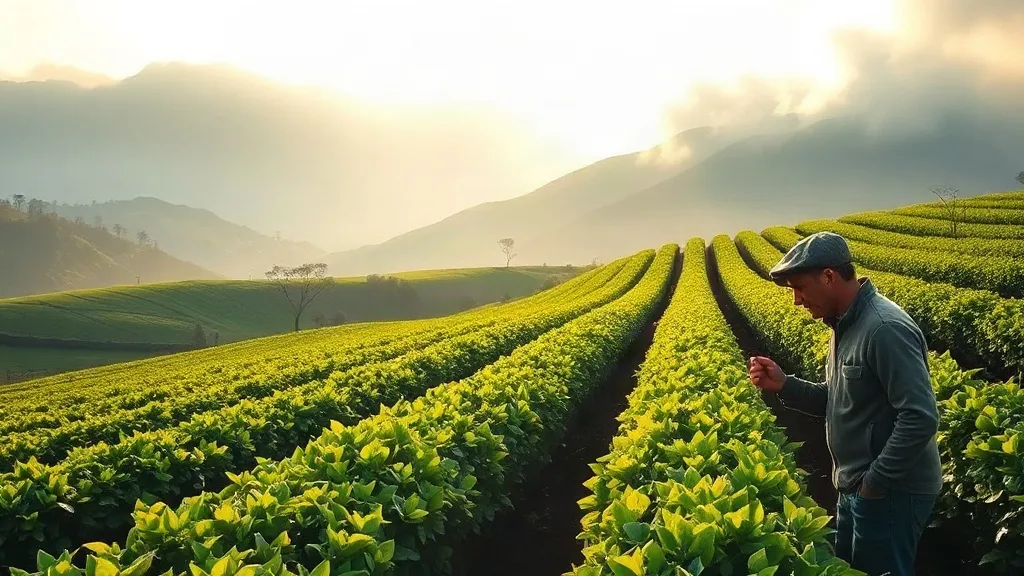
Scotland's rolling hills and misty glens have long been associated with barley, potatoes, and grazing sheep. But a quiet revolution is brewing in the fields: tea plants are taking root. As the climate warms, experts are examining how Scottish farmers might diversify and adapt, and one unexpected contender is Camellia sinensis, the plant behind every cup of tea. This shift isn't just a novelty; it's a strategic response to a changing environment that could reshape Scotland's agricultural landscape.
Why Tea in Scotland?
Tea has traditionally been grown in tropical and subtropical regions, from Assam to Kenya. Scotland's cool, wet climate might seem inhospitable, but recent warming trends are changing the calculus. According to climate projections, Scotland's growing season is lengthening, and winters are becoming milder. This opens the door for crops that were previously unthinkable. Tea plants are surprisingly hardy and can tolerate cooler temperatures if protected from frost. Several trials across Scotland, from Perthshire to the Borders, are already testing how different varieties perform.
But it's not just about temperature. Tea requires consistent rainfall and well-drained soil, both of which Scotland has in abundance. The country's acidic soils, often a challenge for other crops, are actually ideal for tea. This combination of factors has researchers and farmers alike taking notice. As one expert puts it, "Scotland could become the northernmost tea-growing region in the world." That's a bold claim, but early results are promising.
The Science Behind the Shift
Climate change is not just about warmer temperatures; it's about shifting weather patterns. Scotland is experiencing wetter winters, drier summers, and more extreme events. For traditional crops like barley, this poses risks: waterlogging, drought stress, and new pests. Tea, however, may be more resilient. Its deep root system helps it withstand dry spells, and its thick leaves deter many pests. Moreover, tea is a perennial crop, meaning it can be harvested for decades without replanting, providing long-term stability for farmers.
Research institutions like the James Hutton Institute and Scotland's Rural College (SRUC) are at the forefront of this exploration. They're not only testing tea but also other novel crops like quinoa, lentils, and even olives. The goal is to build a more diverse and resilient agricultural system. "We're not suggesting tea will replace barley," says a researcher, "but it could be a valuable addition, especially for smaller farms looking to diversify income."
Economic and Environmental Implications
If tea becomes a viable crop, it could bring significant economic benefits. The global tea market is worth billions, and Scotland could carve out a niche for premium, single-origin tea. Similar to the craft beer or specialty coffee movements, Scottish tea could appeal to consumers seeking local, sustainable products. Early ventures like the Wee Tea Plantation in Perthshire are already producing small batches of tea that fetch high prices at auction. This could provide a lifeline for rural communities facing declining traditional agriculture.
Environmentally, tea plantations can be managed sustainably. Unlike annual crops, tea doesn't require tilling, which reduces soil erosion and carbon release. It also supports biodiversity if grown as part of agroforestry systems. However, there are concerns about water use and the potential for monocultures if tea becomes too popular. Experts emphasize the need for careful planning and regulation to avoid the mistakes seen in other tea-growing regions, where deforestation and poor labor practices have been issues.
Challenges and Uncertainties
Despite the optimism, significant hurdles remain. Tea plants are susceptible to frost, and while Scotland's winters are milder, occasional cold snaps could devastate crops. Farmers would need to invest in frost protection, such as windbreaks or fleece covers, which add to costs. Additionally, tea processing requires specialized equipment and knowledge. Scotland lacks the infrastructure that countries like India or China have developed over centuries. Building that from scratch will take time and investment.
There's also the question of scale. Scotland's terrain is often hilly and fragmented, making large-scale plantations difficult. Most farms are small to medium-sized, which could limit production. However, this might also be an advantage: small-scale, artisanal tea could command higher prices. The key will be finding the right balance between quality and quantity.
Finally, climate change itself is unpredictable. While warming may favor tea now, continued changes could bring new challenges, such as increased rainfall causing waterlogged roots. Researchers are monitoring these factors closely, but long-term viability is not guaranteed.
What This Means for Scottish Agriculture
The tea experiment is part of a broader trend: agriculture is adapting to a new normal. Farmers are increasingly looking at alternative crops to spread risk. Some are planting heritage grains, others are experimenting with hemp or flax. Tea is just one piece of the puzzle. The Scottish government has recognized this, funding research and providing grants for diversification. The goal is to make Scottish agriculture more resilient in the face of climate change.
For consumers, this could mean more local options on shelves. Imagine Scottish-grown tea in your cup, with a story of innovation and adaptation. It's a compelling narrative that could boost tourism and exports. But it's also a reminder that climate change is not just a threat; it's a catalyst for change, forcing us to rethink what we grow and how we grow it.
Frequently Asked Questions
Is tea actually being grown in Scotland right now?
Yes, small-scale trials and commercial ventures exist. The Wee Tea Plantation in Perthshire has been growing tea since 2012, and other farms are experimenting. However, it's still early days, and production is limited.
What type of tea can be produced in Scotland?
Mostly black and green teas, as the cooler climate slows oxidation, allowing for a range of flavors. Some producers are also experimenting with white and oolong teas.
How does climate change affect tea quality?
Warmer temperatures and longer growing seasons can enhance flavor compounds, but stress from drought or frost can harm quality. It's a delicate balance.
Could tea replace traditional crops like barley?
Unlikely in the short term. Barley remains vital for whisky and beer. Tea is seen as a complementary crop, not a replacement.
What support is available for farmers interested in growing tea?
Research institutions and government agencies offer guidance and grants. Joining grower networks can also provide practical advice and shared resources.