
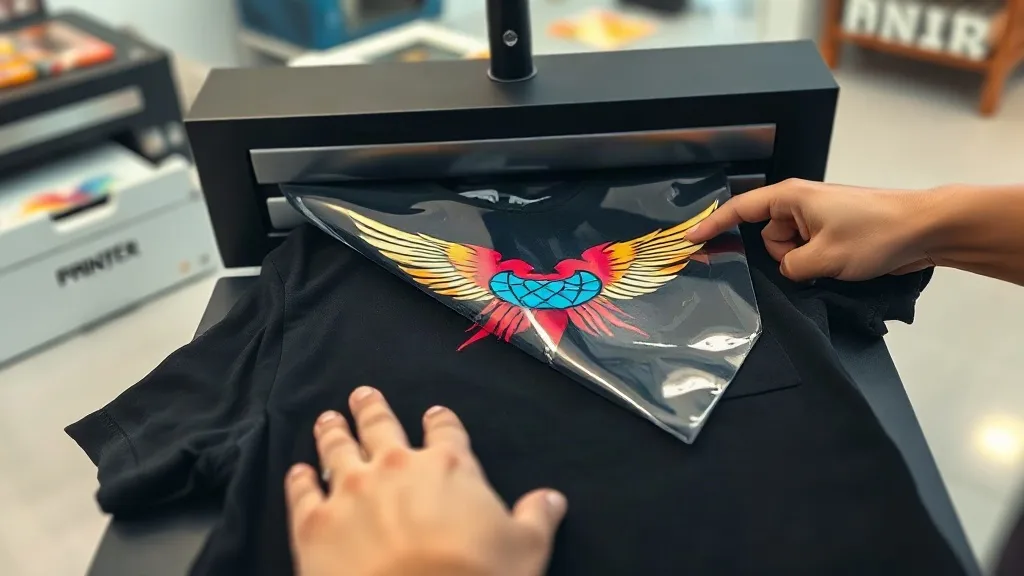
Custom apparel has never been more accessible, thanks to dtf transfers. Whether you're a small business owner looking to expand your product line or a DIY enthusiast wanting to create personalized gifts, DTF (Direct to Film) transfers offer a versatile and cost-effective solution. In this guide, we'll walk you through everything you need to know about DTF transfers, from the basics to advanced tips, so you can start producing professional-quality garments right away.
What Are DTF Transfers?
DTF stands for Direct to Film. It's a printing technology where designs are printed onto a special film, then transferred onto fabric using heat and pressure. Unlike other methods like screen printing or vinyl cutting, dtf transfers don't require pre-treatment of the fabric and work on a wide range of materials, including cotton, polyester, blends, and even nylon. The process involves printing a design onto a PET film with a specialized printer, applying a powder adhesive, and then pressing it onto the garment with a heat press.
Why Choose DTF Transfers?
There are several reasons why DTF transfers have become a go-to for apparel decorators. Here are the key benefits:
- Versatility: DTF transfers adhere to almost any fabric, including dark colors and synthetic materials, without the need for special coatings.
- Durability: When applied correctly, DTF prints are highly durable and can withstand repeated washing without fading or cracking.
- Vibrancy: The prints are incredibly vibrant and detailed, making them perfect for complex designs with gradients and fine lines.
- Cost-effective: For short runs and one-off designs, DTF transfers are more economical than screen printing, which requires setup costs.
The DTF Transfer Process Step by Step
Understanding the process helps you troubleshoot issues and achieve better results. Here's a breakdown of the steps involved in creating a DTF transfer:
- Design Preparation: Create or obtain a digital design. Ensure it's high resolution and has a transparent background if needed.
- Printing: The design is printed onto a DTF film using a DTF printer with special inks. The printer lays down a white ink layer behind the colors to make them opaque.
- Powder Application: While the ink is still wet, a hot-melt adhesive powder is applied to the printed film. The excess powder is shaken off.
- Curing: The film is then heated to melt the powder, creating a solid adhesive layer. This can be done with a heat press or a curing oven.
- Transfer: The cured film is placed on the fabric and pressed with a heat press at a specific temperature and pressure for a set time. After pressing, the film is peeled off (hot or cold peel, depending on the film type), leaving the design on the garment.
Choosing the Right DTF Transfers
Not all DTF transfers are created equal. The quality of the film, inks, and powder can vary significantly. When sourcing DTF transfers, consider the following factors:
- Film Quality: Look for films that are designed for your specific printer and offer good ink absorption.
- Ink and Powder Compatibility: Ensure that the inks and powders you use are compatible and from reputable brands.
- Supplier Reputation: Choose suppliers with positive reviews and a track record of consistent quality.
If you're looking for dtf transfers near me, you can find local suppliers or online stores that specialize in DTF products. Many suppliers offer sample packs so you can test before committing to larger orders.
Applications of DTF Transfers
DTF transfers are incredibly versatile and can be used for a wide range of applications. Here are some popular uses:
- Custom T-shirts: Create personalized tees for events, teams, or businesses.
- Hoodies and Sweatshirts: Add designs to warm apparel for cooler weather.
- Tote Bags: Personalize reusable bags for promotions or gifts.
- Sportswear: DTF works well on performance fabrics like polyester.
- Corporate Uniforms: Brand uniforms with logos and employee names.
Tips for Successful DTF Transfers
To ensure your DTF transfers look great and last long, follow these tips:
- Pre-press the Garment: This removes moisture and wrinkles, ensuring a smooth application.
- Use the Right Settings: Follow the recommended temperature, pressure, and time for your specific film and fabric.
- Peel Correctly: Some films require hot peel, others cold peel. Check the instructions.
- Wash Inside Out: To prolong the life of the print, wash garments inside out in cold water and avoid harsh detergents.
Common Mistakes to Avoid
Even experienced users can make mistakes. Here are some common pitfalls and how to avoid them:
- Insufficient Pressure: If the pressure is too low, the transfer may not adhere properly. Adjust your heat press.
- Wrong Temperature: Too hot can scorch the fabric or melt the film; too cold can result in poor adhesion.
- Not Pre-pressing: Skipping this step can lead to uneven transfers.
- Using Old Film: Film can degrade over time, so use fresh supplies.
Frequently Asked Questions
What fabrics work best with DTF transfers?
DTF transfers work on a wide range of fabrics, including cotton, polyester, blends, and even nylon. They are particularly good for dark colors and synthetic materials where other methods may struggle.
How long do DTF transfers last?
When applied correctly and cared for properly, DTF transfers can last for years without fading or cracking. Following the washing instructions is key to longevity.
Can I use DTF transfers on items other than apparel?
Yes, DTF transfers can be applied to tote bags, hats, and other fabric items. Just ensure the surface can withstand the heat press.
Do I need a special printer for DTF transfers?
Yes, DTF printing requires a DTF printer that uses DTF inks and film. However, you can also purchase pre-printed DTF transfers from suppliers, eliminating the need for a printer.
Where can I find DTF transfers near me?
You can search online for local suppliers or check with specialty printing shops. Many online retailers also offer DTF transfers with fast shipping, so you can find dtf transfers near me easily.