
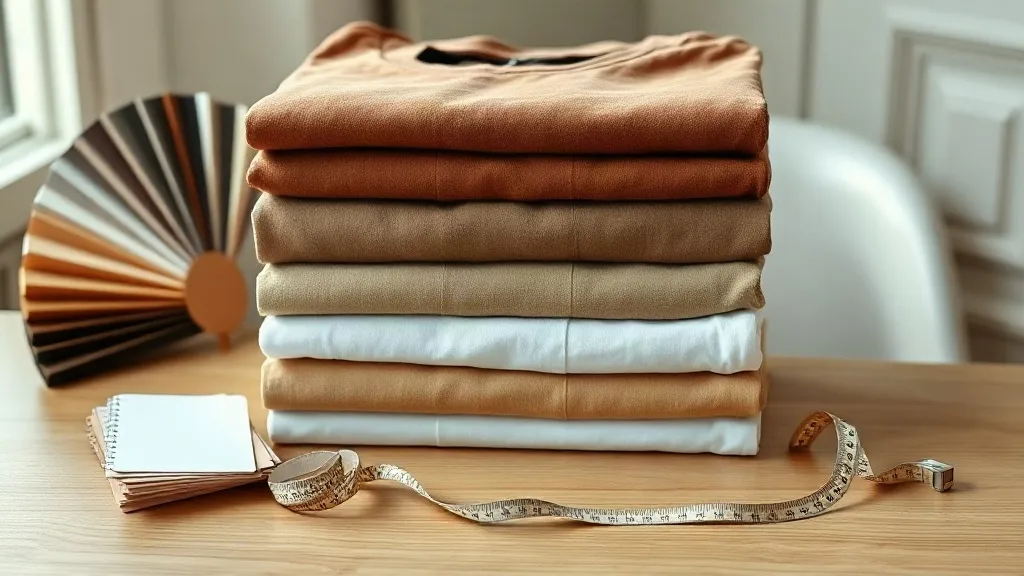
A print shop's reputation rarely lives or dies on the ink. It lives on the shirt underneath it. A crisp design on a blank that twists at the seams, pills after two washes or shrinks an inch in the dryer still reads as a cheap product, no matter how skilled the screen pull was. That is why so many teams have started treating the base garment as a strategic decision rather than an afterthought, and why smart blanks have become a common starting point for shops that want predictable results across every order.
This guide walks through what makes a blank worth building a brand on, how to match fabric and print methods, and where small decisions during ordering save real money later. Whether you are printing twelve shirts for a local band or five hundred for a product launch, the same fundamentals apply.
What a dependable blank actually has to do
Most buyers judge a blank by feel in the hand, which is a reasonable instinct but an incomplete test. A garment that feels wonderful on the shelf can behave badly once it goes through heat, tension and repeated washing. A truly dependable smart blanks base needs to pass several practical checks before it earns a place in your catalog.
Consistent sizing across the run
Inconsistency is the quiet killer of repeat business. If a size medium from one production batch fits like a large from another, your customers will blame your store, not the mill. Ask suppliers whether they cut from the same pattern across colors and sizes, and order a sample in three sizes before committing to a bulk purchase. Lay them flat, measure chest width and body length, and compare. A half-inch variance is normal in cut-and-sew production; an inch and a half is a problem.
Fabric weight that matches the job
Lightweight jersey around 4 to 4.5 ounces works well for retail-style soft goods and warm-weather events. Midweight cotton in the 5 to 6 ounce range is the workhorse for everyday merch. Heavyweight options above 6.5 ounces suit streetwear drops and anything expecting hard wear. Heavier is not automatically better; a stiff, board-like shirt can feel premium to some buyers and uncomfortable to others. Match the weight to the audience, not to your personal preference.
Shrinkage and color stability
Pre-shrunk cotton still moves a little, and blends behave differently again. A 50/50 cotton-poly blend tends to hold its shape well and resist wrinkles, which is why it remains popular for uniform and event work. Ringspun cotton feels softer and takes dye beautifully but can shrink more on the first wash. Ask for shrinkage data rather than guessing, and always wash one sample before you promise a customer anything about fit.
Matching blank to decoration method
The right blank changes depending on how you plan to decorate it. A shirt that takes plastisol beautifully can be a nightmare for fine-line embroidery, and a loose-knit fabric that feels luxurious can let ink bleed into halos.
Screen printing
Screen printing rewards a smooth, tightly knit surface. Ringspun cotton with a fine gauge gives clean edges on small text and halftones. If you are printing water-based inks for a soft-hand finish, choose a blank that has been properly combed and has minimal surface texture. On heavier, rougher fabrics, water-based prints can look faded right out of the dryer because the ink sinks into the fiber loft.
Embroidery
Dense stitches need a fabric that can carry thread weight without puckering. Midweight cotton and cotton-poly blends are the safest bets. Very lightweight or highly stretchy fabrics can distort under a dense logo, so use a backing stabilizer and test on a scrap piece first. Placement also matters: a heavy chest logo on a thin shirt will pull the neckline out of shape over time.
Direct-to-film and heat transfer
Heat transfer methods demand fabric that tolerates a press without scorching or glazing. Cotton handles higher temperatures well; synthetics need lower settings and careful timing. Always check the manufacturer's recommended press temperature, and do a peel test on one garment before running the full order. A single scorched collar in a batch of fifty is a costly lesson.
Ordering in bulk without wasting money
Bulk ordering is where margins are won or lost. A few habits make the process smoother.
- Order one sample in every color you plan to sell. Dye lots vary, and a navy that photographs well can arrive looking almost black.
- Ask for the current stock count before you commit to a delivery date. Popular sizes sell out first, and backorders can stall a launch.
- Buy a small buffer of your best-selling sizes. Restocking fees and second shipping charges usually cost more than a few extra units sitting in storage.
- Keep a small inventory of blanks on hand for rush jobs. Last-minute requests are common and profitable when you can fulfill them same-day.
It also pays to build a relationship with one or two reliable suppliers rather than chasing the lowest price every season. Consistent spec sheets and predictable lead times are worth more than a few cents per unit.
Building a brand people actually keep
The merch that survives in someone's drawer for years tends to share a few traits: it fits well, it washes without drama, and the print does not crack after a month. Those are all downstream of the blank you chose. A thoughtful base makes every other step easier, from photography to customer service. When a buyer asks why your shirt costs more than a mass-market option, the answer becomes concrete: heavier fabric, better stitching, a print that lasts.
That is the practical case for treating smart blanks as a foundation rather than a commodity. The cost difference per unit is usually small. The difference in repeat orders is not.
Common questions about smart blanks
Are smart blanks suitable for a first-time merch run?
Yes, and they are often a sensible choice for it. A first run should minimize variables, so pick a midweight cotton or cotton blend in a neutral color, order a few samples, and test your decoration method before committing to a larger quantity. Once you know how the blank behaves, scaling up is straightforward.
How many blanks should I order for a small launch?
A common approach is to start with roughly two to three times your expected first-week sales, weighted toward medium and large. That gives you enough to fulfill orders without tying up too much cash in sizes that may sit. You can always reorder, and having a small buffer protects you from a sold-out launch day.
Do smart blanks work for embroidery as well as printing?
Midweight cotton and cotton-poly blends generally handle embroidery well, provided you use proper backing and test dense logos first. Very light or stretchy fabrics need more care because heavy stitching can distort the shape. If embroidery is central to your design, order a sample and run the actual stitch file before the full order.
How do I keep colors consistent between orders?
Ask your supplier about dye lots and request a physical swatch card when possible. Keep a reference garment from each order, labeled with the date, so you can compare future batches against it. Screens and monitors shift colors, but a shirt in your hand does not.