
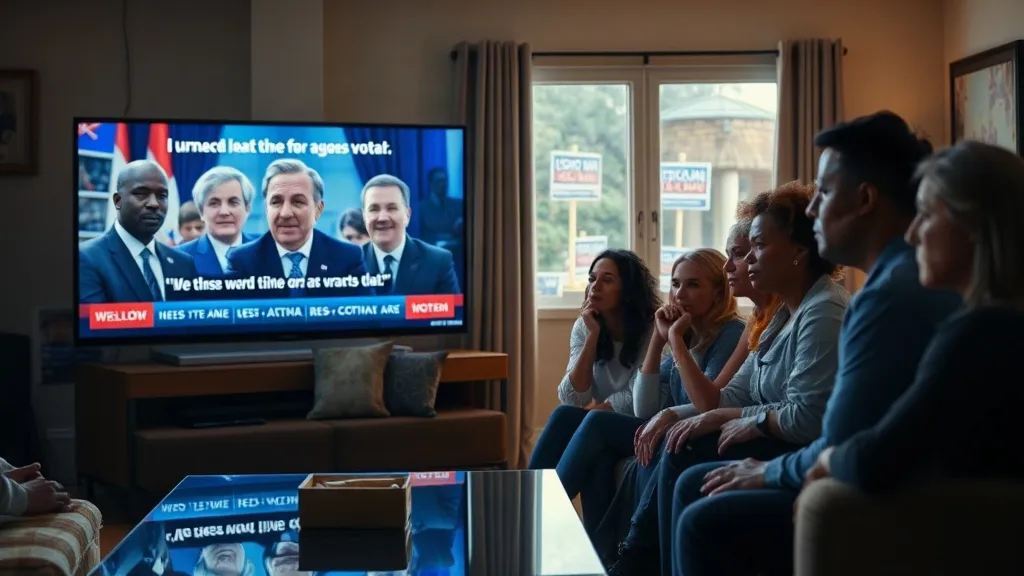
When a political advertisement crosses the line from tough criticism into something that feels personal and invasive, it can quickly become a liability. That's exactly what happened this week when a campaign ad targeting Amy Acton, the Democratic nominee for Ohio governor, ignited a firestorm that extended well beyond the Buckeye State. With less than two weeks until the midterm elections, Republicans are now grappling with the fallout from a spot that many see as a step too far.
The Ad That Started It All
The advertisement, which began airing recently, attacks Acton's record and character in a manner that critics describe as misleading and overly aggressive. While the specifics of the ad have been widely circulated, what's notable is the speed with which it drew condemnation from both sides of the aisle. Even some Republican strategists have privately expressed discomfort with the tone, acknowledging that it risks alienating moderate voters in a state that has become increasingly competitive.
Acton, a former state health director who rose to prominence during the early days of the pandemic, has been a polarizing figure in Ohio politics. Her handling of public health directives made her a hero to some and a target for others. But the ad in question goes beyond policy disagreements, delving into personal attacks that many find distasteful. The backlash was swift, with social media erupting in criticism and even some conservative commentators questioning the strategy.
National Repercussions
What might have been a local controversy has now become a national story. The backlash spread across state lines by Thursday, with pundits and political analysts weighing in on what it means for the broader midterm landscape. For Republicans, the ad presents a dilemma: they must energize their base without turning off swing voters who may be turned off by such tactics. The timing couldn't be worse, as early voting is already underway in many states and the window to shape the narrative is closing fast.
The controversy also highlights the increasing nationalization of local races. In an era where every political ad can go viral within hours, the consequences of a misstep are magnified. The Ohio ad has become a cautionary tale for campaigns nationwide, underscoring the risks of negative advertising in a hyper-partisan environment.
Acton's Response and the Democratic Counteroffensive
Amy Acton's campaign has seized on the backlash, using it to rally supporters and fundraise. In a statement, Acton condemned the ad as a desperate attempt to distract from real issues like healthcare, education, and the economy. Her team has quickly cut a response ad that frames the attack as part of a pattern of GOP desperation. Democrats see an opportunity to paint Republicans as out of touch and willing to resort to personal smears when their policy record is weak.
The incident has also energized Acton's base, with volunteers reporting a surge in sign-ups and donations. For a candidate who was already gaining momentum, the ad may have backfired spectacularly, turning a negative into a positive. The backlash has inadvertently boosted Acton's profile, introducing her to voters who might not have been paying attention otherwise.
Republican Damage Control
Republican leaders have found themselves in the uncomfortable position of having to distance themselves from the ad while not alienating the candidate or group responsible. Some have issued terse statements emphasizing that they don't condone personal attacks, while others have tried to pivot back to policy. But the damage may already be done. The ad has been viewed millions of times online, and the criticism shows no signs of abating.
Behind the scenes, party officials are reportedly frustrated with the lack of coordination and message discipline. The ad was produced by an outside group, not the official party apparatus, but that distinction matters little to voters. Republicans now face the challenge of regaining control of the narrative in the final stretch, a task that grows harder with each news cycle dominated by the controversy.
Impact on Key Races
Ohio is home to several competitive races that could determine control of Congress and the statehouse. The governor's race is a toss-up, and the ad controversy could have down-ballot effects. Candidates in tight races are already trying to insulate themselves, with some quietly canceling events or refusing to comment. The fear is that the ad's toxicity will rub off on other Republicans, particularly in suburban districts where moderate voters are key.
Political analysts note that negative ads often work by suppressing turnout among the target's supporters, but they can also motivate the opposition. In this case, the ad seems to have done the latter, galvanizing Democrats and independents who might have otherwise stayed home. With early voting numbers already showing high enthusiasm, the GOP's gamble may have energized the wrong side.
The Bigger Picture: Negative Ads and Voter Fatigue
The Ohio ad is just the latest example of the increasing negativity in American politics. While attack ads are nothing new, the level of personal vitriol has escalated in recent years, leaving many voters exhausted. Polls consistently show that a majority of Americans are tired of negative campaigning and want candidates to focus on issues. The backlash against this ad may be a sign that voters are reaching a tipping point.
For campaigns, the lesson is clear: in an era of social media and rapid response, the risks of going negative are higher than ever. What plays well with a narrow slice of the base can quickly become a liability with the broader electorate. As the midterms approach, both parties will be watching Ohio closely to see how this plays out.
What to Watch in the Final Days
With less than two weeks to go, the controversy is unlikely to fade entirely, but its impact will depend on how both sides handle it. Acton's campaign will try to keep the focus on the ad and use it to drive turnout. Republicans will attempt to change the subject back to inflation, crime, and other issues they believe favor them. The media will continue to cover the story as long as it generates clicks and outrage.
One thing is certain: the ad has become a defining moment in the Ohio governor's race, and its repercussions will be felt long after Election Day. For Republicans, it's a reminder that in politics, the means matter as much as the ends, and that a short-term tactical advantage can come at a long-term cost.
Frequently Asked Questions
What exactly did the Ohio campaign ad say?
The ad attacked Amy Acton's record and character, but specific details have been widely reported. It focused on her tenure as health director and made personal allegations that many found misleading and offensive.
Why did the ad cause such a backlash?
The backlash stemmed from the perception that the ad crossed a line into personal attacks, which many voters and even some Republicans found distasteful. The timing, just before the midterms, amplified the reaction.
How has Amy Acton responded to the ad?
Acton condemned the ad as a desperate smear and used it to rally supporters and raise funds. Her campaign quickly released a response ad framing the attack as part of a pattern of GOP negativity.
Will this affect the midterm elections?
It could, especially in tight races. The controversy may energize Democratic and independent voters while forcing Republicans to play defense. The extent of the impact will depend on how the story evolves in the final days.
What are Republicans doing to contain the damage?
Republican leaders are distancing themselves from the ad while trying to refocus on policy issues. However, the damage control is complicated by the fact that the ad was produced by an outside group, making it harder to coordinate a response.