
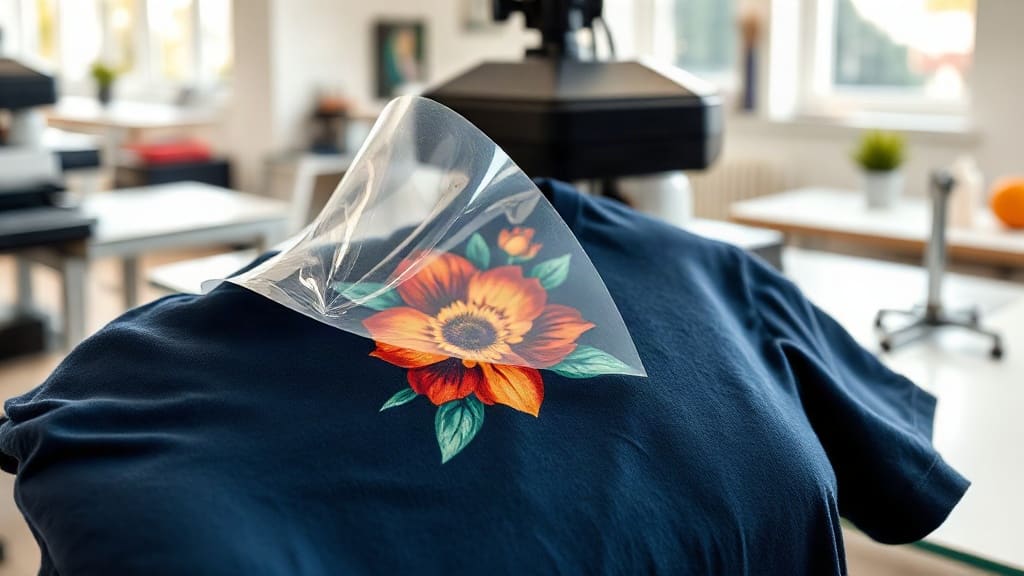
If you have ever wanted to create custom t-shirts, hoodies, or tote bags with designs that pop, stay vibrant after dozens of washes, and feel soft to the touch, then DTF transfers might just be the game changer you have been looking for. DTF stands for "Direct to Film," and it is a printing method that has quickly become a favorite among hobbyists, small business owners, and even large-scale apparel decorators. Unlike traditional heat transfer vinyl (HTV) or screen printing, DTF transfers allow you to print detailed, full-color designs onto a special film that can then be heat pressed onto almost any fabric. The result is a durable, flexible, and incredibly vibrant print that does not crack or peel easily. In this guide, we will walk you through everything you need to know about DTF transfers, from how they work to how you can find reliable DTF transfers near me for your next project.
Whether you are just starting out with a small heat press at home or you run a bustling print shop, understanding the ins and outs of DTF technology can save you time, money, and a lot of frustration. We will cover the benefits of DTF over other methods, the step-by-step process of applying transfers, common mistakes to avoid, and how to source high-quality films and powders. By the end of this article, you will have a clear roadmap to creating professional-grade custom apparel with confidence.
What Are DTF Transfers and How Do They Work?
At its core, a DTF transfer is a printed design on a special PET film that has been coated with a hot melt adhesive powder. The process involves printing your design in reverse onto the film using a dedicated DTF printer with textile inks, then applying the adhesive powder while the ink is still wet. After curing the powder, the transfer is ready to be heat pressed onto your garment. When heat and pressure are applied, the adhesive melts and bonds the design to the fabric, creating a permanent print.
The beauty of DTF is its versatility. Because the design is printed onto a film rather than directly onto the fabric, you can apply it to a wide range of materials including cotton, polyester, blends, denim, leather, and even some nylons. This is a huge advantage over DTG (Direct to Garment) printing, which works best on cotton, or sublimation, which requires polyester or polymer-coated substrates. DTF prints also have a slightly textured feel that many people find appealing, and they can be stretched without cracking, making them ideal for activewear and items that undergo frequent movement.
The Key Components of a DTF Transfer
To understand why DTF transfers produce such great results, it helps to know what goes into them. There are four main components: the film, the ink, the adhesive powder, and the curing process. The film is typically a clear or frosted PET sheet that holds the design until it is transferred. The inks used are usually water-based pigment inks that are specially formulated for DTF printing. They are vibrant, opaque enough to show on dark fabrics, and flexible when cured.
The adhesive powder is a hot melt polyurethane or polyester powder that is applied to the wet ink. It comes in different grain sizes; finer powders are better for detailed designs, while coarser powders may be used for larger solid areas. After powdering, the transfer is cured using heat, either in a tunnel dryer or with a heat press set to a low temperature. Proper curing is essential because under-cured powder will not bond well, and over-cured powder can become brittle and difficult to press.
Why Choose DTF Transfers Over Other Methods?
If you have been using HTV or screen printing, you might wonder what makes DTF transfers worth the switch. Here are some compelling reasons why DTF has gained such a loyal following.
- Full-Color Detail Without Layering: With HTV, each color in your design must be cut and layered separately, which is time-consuming and limits complexity. DTF prints the entire design in one pass, including gradients, shadows, and photographic images.
- No Weeding Required: HTV requires you to weed away the excess vinyl around your design, a tedious process that can ruin intricate artwork if you slip. DTF transfers come ready to press; you simply peel off the backing film after pressing.
- Durability and Stretch: DTF prints are known for their excellent washability and resistance to cracking, even on stretchy fabrics. This makes them ideal for sportswear, baby clothes, and items that need to withstand frequent laundering.
- Versatility Across Fabrics: As mentioned, DTF works on cotton, polyester, blends, and many other materials. You can even apply it to dark garments without the need for a white underbase, because the white ink in DTF is highly opaque.
- Cost-Effective for Small Runs: Screen printing requires screens for each color, which is expensive for small orders. DTF transfers can be produced one at a time or in small batches, making them perfect for custom one-offs or limited edition items.
While DTF may not completely replace screen printing for very large orders of simple designs, its flexibility and ease of use make it an excellent choice for many applications. If you are looking for a method that combines the best of digital printing with the durability of traditional transfers, DTF transfers are hard to beat.
How to Apply DTF Transfers: A Step-by-Step Guide
Applying a DTF transfer is straightforward, but following the correct procedure is crucial for a successful result. Here is a detailed guide based on common industry practices. Always refer to the specific instructions provided by your transfer supplier, as temperature and time can vary slightly.
- Preheat Your Garment: Place your garment on the heat press and press it for 5-10 seconds at around 300°F (150°C) to remove moisture and wrinkles. This step ensures better adhesion.
- Position the Transfer: Place the DTF transfer with the printed side facing down onto the garment. The film side should be facing up. Use heat-resistant tape to secure the transfer if needed to prevent shifting.
- Press with Medium Pressure: Close the heat press and apply medium to firm pressure for 10-15 seconds at a temperature between 300°F and 325°F (150°C to 163°C). Do not use a cover sheet unless specified; DTF transfers are designed to be pressed directly.
- Cool Peel: After pressing, allow the transfer to cool completely before peeling off the film. This is known as a "cold peel" and is essential for the adhesive to set properly. Peeling while hot can cause the design to lift or distort.
- Optional Second Press: For extra durability, you can place a piece of parchment paper or a Teflon sheet over the design and press again for 5-10 seconds. This helps to further cure the adhesive and smooth out the surface.
One common question is whether you need to pre-press the garment before applying the transfer. While not always mandatory, pre-pressing is highly recommended because it removes moisture and flattens the fabric, leading to better adhesion and a smoother finish. Skipping this step can result in patches where the transfer does not stick properly.
Finding Reliable DTF Transfers Near Me
If you are not ready to invest in your own DTF printer, you can still take advantage of this technology by ordering transfers from a supplier. Searching for DTF transfers near me can yield local print shops that offer custom transfer printing services. This can be a great option if you need transfers quickly or want to support local businesses. However, many people also order online from reputable companies that ship nationwide.
When looking for DTF transfers near me, consider the following factors to ensure you get quality products:
- Turnaround Time: Local shops may offer same-day or next-day pickup, which is ideal for rush orders. Online suppliers typically have a 2-5 day production time plus shipping.
- Quality of Materials: Ask about the type of film, ink, and powder they use. High-quality materials result in better color vibrancy and durability. Some suppliers offer sample packs so you can test their transfers before committing to a large order.
- Pricing: Prices can vary widely. Local shops may charge a premium for convenience, while online suppliers often have lower per-transfer costs for bulk orders. Compare pricing structures and look for hidden fees such as setup charges or shipping costs.
- Customer Reviews: Read reviews and testimonials to gauge the reliability of the supplier. Look for feedback on color accuracy, adhesion, and customer service. A supplier with consistently positive reviews is more likely to deliver good results.
- Customization Options: Make sure the supplier can handle your specific design requirements, including size, color count, and any special effects like glitter or metallic finishes.
If you cannot find a suitable local supplier, do not hesitate to order online from established DTF transfer providers. Many of them offer free shipping over a certain order amount and have easy-to-use online design tools. The key is to find a partner whose quality and service align with your needs.
Common Mistakes to Avoid When Using DTF Transfers
Even experienced decorators can run into issues if they are new to DTF. Here are some common pitfalls and how to avoid them.
Incorrect Temperature or Pressure
One of the most frequent mistakes is using the wrong heat press settings. If the temperature is too low, the adhesive will not melt properly, resulting in poor adhesion. If it is too high, you risk scorching the fabric or overcooking the adhesive, which can cause brittleness. Always use a reliable heat press with an accurate temperature readout, and calibrate it periodically. A pressure that is too light will also lead to incomplete bonding, so ensure your press is set to medium or firm pressure.
Peeling the Film Too Early
DTF transfers require a cold peel, meaning you must wait until the transfer has cooled completely before removing the film. If you peel while it is still warm, the design may stretch or lift from the fabric. Be patient and let it cool naturally; do not use a fan or cold water to speed up the process as this can shock the adhesive.
Not Pre-Pressing the Garment
As mentioned earlier, pre-pressing removes moisture and wrinkles. If you skip this step, you may end up with bubbles or areas where the transfer did not adhere. Always pre-press for at least 5 seconds before applying the transfer.
Using Low-Quality Transfers
Not all DTF transfers are created equal. Some suppliers use inferior films or powders that result in dull colors, poor washability, or a stiff hand feel. Invest in transfers from reputable sources, and do a test press before committing to a large run. This is especially important if you are producing items for sale.
DTF Transfers vs. DTG Printing: Which Is Right for You?
Both DTF and DTG are digital printing methods, but they have distinct differences. DTG prints directly onto the garment using a specialized printer, while DTF prints onto a film that is then transferred. Here is a quick comparison to help you decide.
- Fabric Compatibility: DTG works best on 100% cotton or high-cotton blends. DTF can be used on almost any fabric, including polyester, nylon, and blends.
- Feel of Print: DTG prints are absorbed into the fabric and have virtually no hand feel. DTF prints sit on top of the fabric and have a slight texture, though modern DTF powders can produce a very soft feel.
- Color Vibrancy: DTF often produces more vibrant colors, especially on dark garments, because the white ink is printed as a separate layer with high opacity. DTG can sometimes look washed out on dark fabrics.
- Durability: Both methods are durable, but DTF prints tend to be more resistant to cracking and fading over time, thanks to the adhesive layer.
- Cost and Equipment: DTG requires a significant investment in a specialized printer and pretreatment machine. DTF can be done with a standard heat press and transfers ordered from a supplier, making it more accessible for small businesses.
In many cases, DTF is the more versatile and cost-effective option for small to medium runs, especially if you work with a variety of fabric types. However, if you primarily print on cotton and want a completely smooth print, DTG might be worth considering.
Tips for Getting the Best Results with DTF Transfers
To ensure your DTF transfers look professional and last a long time, follow these expert tips.
- Use High-Quality Artwork: Start with a high-resolution design (at least 300 DPI) to avoid pixelation. Vector files are ideal, but high-res PNG or PSD files also work well.
- Choose the Right Powder: For detailed designs, use a fine powder. For larger, solid areas, a medium powder may be easier to apply evenly. Always shake off excess powder thoroughly to avoid a gritty finish.
- Store Transfers Properly: Keep unused transfers in a cool, dry place away from direct sunlight. Humidity can affect the adhesive powder and cause it to clump or lose effectiveness.
- Test on Scrap Fabric: Before pressing your final garment, do a test press on a similar fabric to check the settings and the quality of the transfer. This can save you from ruining a good shirt.
- Wash Garments Inside Out: To prolong the life of the print, recommend washing the garment inside out in cold water and avoiding harsh detergents or bleach. Tumble dry on low or hang dry.
By following these guidelines, you can consistently produce high-quality custom apparel that your customers will love.
Frequently Asked Questions About DTF Transfers
Can I use DTF transfers on any fabric?
DTF transfers are incredibly versatile and can be applied to most fabrics including cotton, polyester, blends, denim, canvas, and even some synthetic materials like nylon. However, it is always a good idea to test on a small area first, especially for fabrics with special coatings or treatments. Avoid using DTF on fabrics that cannot withstand the heat press temperature, such as some delicate synthetics.
How long do DTF transfers last?
When applied correctly and cared for properly, DTF transfers can last for 50 or more washes without significant fading or cracking. The key is proper heat pressing, using high-quality transfers, and following washing instructions. Washing garments inside out in cold water and avoiding bleach will help maintain the print's vibrancy.
Do I need a special printer to make DTF transfers?
To produce your own DTF transfers, you will need a dedicated DTF printer or a converted inkjet printer with DTF inks, as well as a powder shaker and curing oven or heat press. However, many people choose to order transfers from professional suppliers because it eliminates the need for expensive equipment and the learning curve associated with DTF printing. This is a great option if you are just starting out or have low volume needs.
Can I apply DTF transfers with a regular iron?
It is not recommended to use a regular household iron for DTF transfers because it is difficult to achieve the consistent temperature and pressure required for proper adhesion. A heat press is the best tool for the job, but if you must use an iron, set it to the highest setting with no steam, apply firm pressure, and press for longer than you would with a heat press. Results may vary, and durability may be compromised.
How do I find reliable DTF transfers near me?
To find reliable DTF transfers near me, start by searching online directories, local business listings, or social media groups for custom apparel decorators in your area. Read reviews, ask for samples, and compare pricing and turnaround times. You can also ask for recommendations from other local businesses or makers. Visiting the shop in person can give you a sense of their professionalism and quality.
In conclusion, DTF transfers offer an exciting and accessible way to create custom apparel with stunning detail and durability. Whether you are a hobbyist looking to make personalized gifts or a business owner aiming to expand your product line, DTF technology provides the flexibility and quality you need. By understanding the process, sourcing high-quality transfers, and following best practices, you can achieve professional results every time. So go ahead, explore the world of DTF transfers, and bring your creative visions to life.