
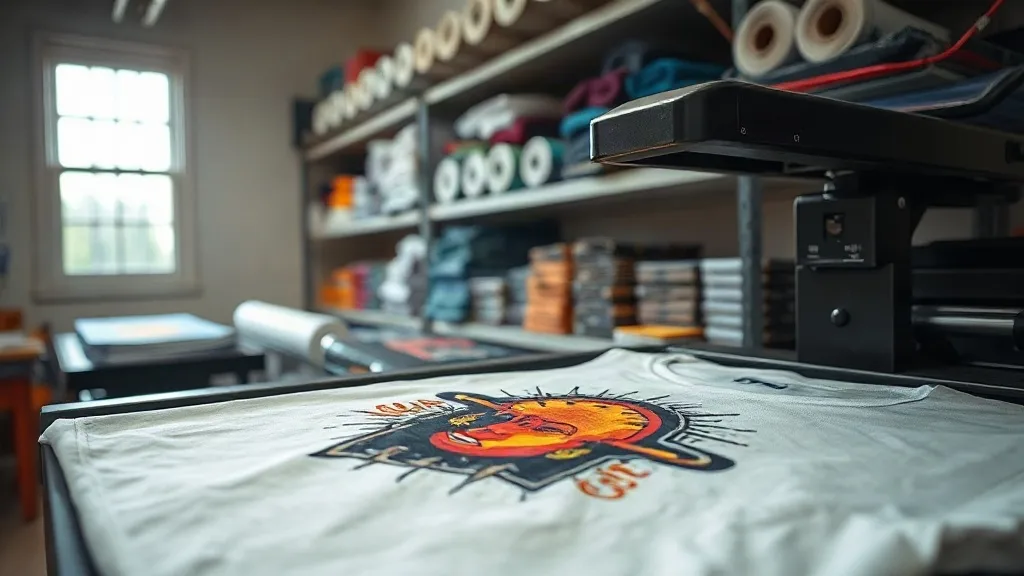
When you run a small print shop, every job has to count. You cannot afford to turn away a customer who wants five shirts with a detailed logo, or a school group that needs thirty hoodies by Friday. That is why so many decorators have started paying attention to dtf transfers. They solve a problem that screen printing and vinyl cutting often struggle with: short runs with full-color, complex artwork. In this guide, I will walk through what DTF is, how it fits into a real workflow, and what to watch out for when you buy supplies.
What Are DTF Transfers, Exactly?
DTF stands for direct-to-film. The process starts with a digital printer that lays down a mirror image of your design onto a special PET film. While the ink is still wet, a layer of adhesive powder is applied and then cured. The result is a flexible transfer sheet that can be stored and later pressed onto fabric with a heat press. Unlike DTF printing, which requires the printer and powder station in-house, buying pre-printed dtf transfers lets you skip the equipment investment and focus on pressing and selling.
The magic of DTF is that it works on almost any fabric: cotton, polyester, blends, even nylon. You do not need to pre-treat the garment, and the hand feel is soft enough for retail-quality apparel. For a small shop, that versatility means you can accept orders you might otherwise refer out.
Why Small Shops Are Turning to DTF
I have seen shops that used to spend hours weeding vinyl for a single complex logo. With DTF, that same logo becomes a five-minute press. The time savings alone can justify the switch, but there are other reasons too.
No Color Limits
Screen printing charges by the color, and vinyl cutting is limited to solid colors. DTF prints full-color gradients, photographs, and fine details without any extra cost. That means you can offer photographic prints on t-shirts without outsourcing.
Low Minimums
You can press one shirt or one hundred. There is no setup fee, no screen burning, no wasted material. For crafters and small brands, this is a game changer.
Simple Workflow
Once you have a heat press, the workflow is straightforward: peel the transfer, place it on the garment, press, and peel the film. No weeding, no masking, no special skills. Training a new employee takes minutes, not days.
How to Choose the Right DTF Transfers
Not all transfers are created equal. The quality of the film, the ink, and the powder all affect durability and feel. When you are shopping for dtf transfers near me, keep these factors in mind:
- Film thickness: Thinner films tend to have a softer hand feel but can be trickier to peel. Thicker films are more forgiving but may feel heavier.
- Powder quality: The adhesive powder should be fine and evenly applied. Clumpy powder leads to a rough texture and poor wash durability.
- Ink saturation: Look for vibrant colors that do not fade after washing. Cheap transfers often use less pigment, resulting in dull prints.
- Peel type: Hot peel versus cold peel affects your workflow. Hot peel is faster but requires precise timing; cold peel is more forgiving.
If you are buying from a local supplier, ask for samples. Press a few and wash them. A good supplier will stand behind their product.
Pressing Tips for Consistent Results
Even the best transfer can fail if you press it wrong. Here are the settings I use in my own shop, but always check the manufacturer's recommendations first.
Temperature and Pressure
Most DTF transfers press at 300°F to 320°F (150°C to 160°C) for 10 to 15 seconds. Pressure should be medium to firm. Too little pressure and the transfer will not adhere; too much and the design may spread or the film may wrinkle.
Pre-Pressing
Always pre-press the garment for a few seconds to remove moisture and wrinkles. This step is often skipped, but it makes a big difference in adhesion.
Peeling
If you are using a hot peel transfer, peel immediately after pressing in a smooth, continuous motion. For cold peel, wait until the film is cool to the touch. Rushing a cold peel can cause the design to lift.
Post-Pressing
Some transfers benefit from a second press with a Teflon sheet or parchment paper for 5 seconds. This step smooths the print and improves wash durability. It is especially useful for stretchy fabrics.
Common Mistakes to Avoid
I have made most of these mistakes myself, so you do not have to.
- Pressing on a damp garment: Moisture creates steam, which prevents proper adhesion. Always pre-press.
- Using too much pressure: This can cause the adhesive to bleed out, creating a stiff border around the design.
- Peeling too early or too late: Follow the transfer's peel instructions exactly. If it says hot peel, do not let it cool.
- Storing transfers improperly: Keep them in a cool, dry place away from direct sunlight. Humidity can affect the powder.
Cost Considerations
DTF transfers are priced per sheet, usually based on size. A typical A4 sheet might cost between $1 and $3, depending on quantity and supplier. When you compare that to the cost of vinyl, ink, and labor for a complex design, DTF often wins. However, for very large orders of simple one-color designs, screen printing may still be more economical. Know your numbers and choose the method that fits the job.
Building Your Business with DTF
Offering DTF transfers can open up new markets. You can target local sports teams, small businesses, and online customers who want custom apparel without bulk minimums. Because you are not limited by color or fabric, you can say yes to more requests. Many shops start by adding DTF as a complementary service and gradually shift more work to it as they see the benefits.
If you are ready to explore DTF, start with a small order of transfers and a quality heat press. Test different fabrics and designs, and track your wash results. Once you dial in your process, you will wonder how you ever managed without it.
Frequently Asked Questions
What fabrics can I use with DTF transfers?
DTF transfers work on cotton, polyester, blends, nylon, and even leather. They are not recommended for fabrics with a heavy water-repellent coating or for glass and metal.
How long do DTF transfers last after washing?
With proper application and care, DTF prints can last 50 washes or more. Wash inside out in cold water and tumble dry low. Avoid ironing directly on the print.
Can I layer DTF transfers?
Yes, you can layer multiple transfers, but press each layer separately. Wait for the first layer to cool before applying the next.
Do I need a special heat press for DTF?
Any heat press that can maintain consistent temperature and pressure will work. A clamshell or swing-away press is fine. Just make sure the platen is large enough for your designs.
Where can I buy DTF transfers?
You can find suppliers online and in local print shops. Look for reviews and ask for samples before committing to a large order. Many suppliers offer rush shipping if you need transfers quickly.