
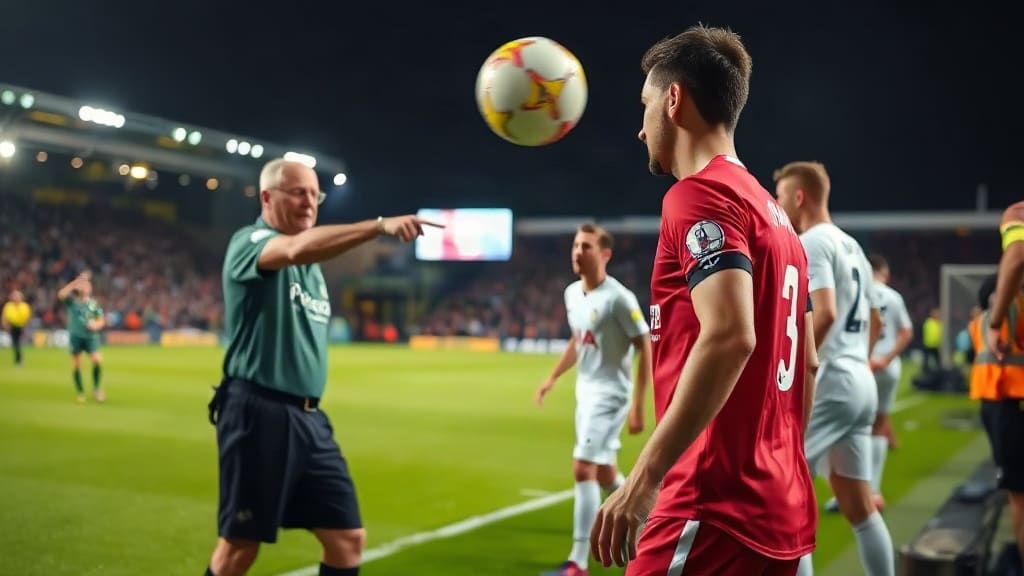
Another weekend, another VAR storm. This time, the focus is on Nottingham Forest defender Neco Williams and a disallowed goal against Tottenham Hotspur. A fresh camera angle has emerged, appearing to show the ball striking Williams' arm before he found the net. But if you think this new footage will finally put the debate to bed, think again. The VAR row rumbles on, and the latest evidence only adds more fuel to an already raging fire.
The Incident: A Goal Ruled Out
During the Premier League clash at the City Ground, Nottingham Forest thought they had taken the lead when Williams bundled the ball home from close range. The home crowd erupted, but the celebrations were cut short. Referee Michael Salisbury, after consulting the pitchside monitor, disallowed the goal for handball. Replays shown on the broadcast appeared inconclusive, leaving fans and pundits split. Some argued the ball brushed Williams' chest; others insisted his arm was involved.
Now, a new angle, reportedly from a different broadcast feed, has surfaced online. It shows the ball clearly making contact with Williams' left arm before he scores. For many, this is the smoking gun that proves the officials got it right. But the story doesn't end there.
Why the New Video Won't Settle the Debate
At first glance, the new footage seems to vindicate the decision. The ball does appear to hit Williams' arm. However, the laws of the game are not black and white. Since 2021, the handball rule has been tweaked to allow for more leniency when a player's arm is in a natural position or when the contact is accidental. The key question is not just whether the ball hit his arm, but whether Williams made his body unnaturally bigger or gained an unfair advantage.
Forest manager Nuno Espírito Santo argued after the match that the goal should have stood. He claimed the contact was accidental and that Williams' arm was in a natural position, close to his body. The new angle might show contact, but it does not definitively answer whether that contact constitutes a punishable handball offence. Critics of VAR will say the decision was too harsh, while supporters will point to the letter of the law.
This is precisely why the row will not end. VAR was supposed to bring clarity, but it has instead highlighted the subjectivity inherent in football's rules. What one referee sees as a clear handball, another might interpret as accidental. The new video, far from resolving the dispute, simply gives both sides more ammunition.
VAR's Ongoing Identity Crisis
The Williams incident is just the latest in a long line of contentious decisions that have plagued the Premier League this season. From offside calls decided by a toenail to handball interpretations that vary from game to game, VAR has become a lightning rod for frustration. Fans are tired of waiting for decisions, players are confused about what constitutes a foul, and managers are losing their minds on the touchline.
Part of the problem is that VAR was introduced to correct clear and obvious errors, but it has evolved into a system that re-referees subjective incidents. A slow-motion replay can make any contact look deliberate, and a freeze-frame can distort the reality of a fast-moving sport. The Williams handball is a perfect example. In real time, it looked like a scrappy goal. In slow motion, it looks like a clear offence. Which version is the truth?
Moreover, the lack of transparency in decision-making only adds to the frustration. Fans in the stadium are often left in the dark while referees review incidents. There are calls for VAR conversations to be broadcast live, as they are in other sports like rugby and cricket. Until that happens, every controversial call will be met with suspicion and conspiracy theories.
What This Means for Nottingham Forest and Tottenham
The disallowed goal had significant implications for the match. Tottenham went on to win 2-0, with goals from Richarlison and Dejan Kulusevski. For Nottingham Forest, it was another frustrating afternoon in a season where they have often felt hard done by. The club has been vocal in its criticism of refereeing standards this campaign, even going as far as to hire a former referee as a consultant to analyse decisions.
Forest are battling relegation, and every point matters. Had Williams' goal stood, the momentum could have shifted. Instead, they were left to rue what might have been. The new video will do little to ease their sense of injustice. If anything, it may deepen their belief that they are being treated unfairly, even if the evidence suggests the officials were correct.
For Tottenham, the win was crucial in their push for a top-four finish. They will feel vindicated by the new footage, but they too have been on the wrong end of VAR decisions this season. The inconsistency cuts both ways, which is why so many clubs are calling for reform.
The Bigger Picture: Is VAR Worth It?
The Williams handball controversy raises a fundamental question: is VAR making football better? Proponents argue that it has increased the accuracy of key decisions, reducing the number of blatant errors. Opponents counter that it has stripped the game of its spontaneity and joy, replacing it with endless debates and delayed celebrations.
There is a middle ground, of course. VAR could be improved with clearer guidelines, better communication, and a higher threshold for intervention. But as long as human judgement remains at the core of football, there will always be disagreements. The new video showing Williams' handball is unlikely to change anyone's mind. Those who believe the goal should have stood will cling to the argument that the contact was accidental. Those who support the decision will see the footage as conclusive proof.
In the end, the only certainty is that the VAR row will continue. Every new angle, every pundit's opinion, every social media meltdown only adds to the noise. Football is a game of opinions, and VAR has not changed that. It has simply amplified the debate.
Conclusion: No End in Sight
The new video showing Neco Williams' handball is a fascinating development, but it will not end the VAR row. It may provide some clarity on the facts of the incident, but it cannot resolve the deeper issues surrounding the interpretation of the handball rule and the overall use of technology in football. Until the game's lawmakers and the Premier League address these fundamental problems, every weekend will bring a fresh controversy. And fans, players, and managers will keep arguing.
Frequently Asked Questions
What exactly happened in the Neco Williams handball incident?
During the Premier League match between Nottingham Forest and Tottenham, Neco Williams scored a goal that was disallowed for handball. A new camera angle later emerged showing the ball hitting his arm before he scored, supporting the referee's decision. However, the debate continues over whether the contact was accidental and whether the arm was in a natural position.
Will the new video evidence change the outcome of the match?
No. The match has already been played and the result stands. The new video cannot change the scoreline or the disallowed goal. It only provides additional context for fans and pundits to debate the decision.
Why is VAR still so controversial after all this time?
VAR remains controversial because it deals with subjective decisions like handball and fouls, where there is no clear right or wrong answer. Different referees may interpret the same incident differently, and slow-motion replays can distort the reality of the game. Additionally, the lack of transparency and communication during reviews frustrates fans and players.
What changes could improve VAR in the Premier League?
Several changes could improve VAR: broadcasting live audio between referees and VAR officials, simplifying the handball rule to reduce subjectivity, setting a higher threshold for intervention to avoid re-refereeing minor incidents, and ensuring consistent application of the rules across all matches. Many fans also want quicker decisions and better communication inside stadiums.