
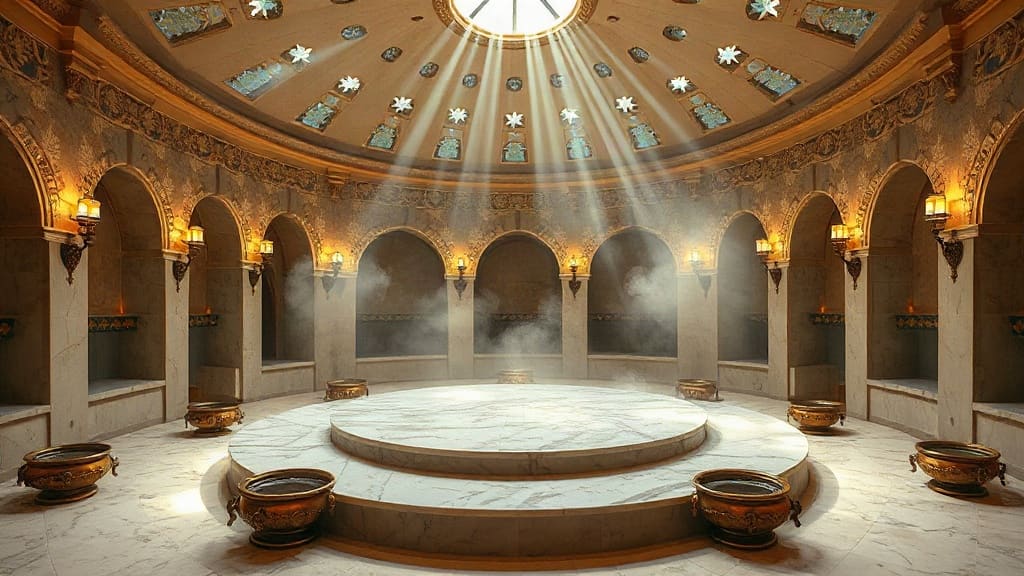
Stepping into a turkish bath is like entering a time-honored sanctuary of warmth, steam, and quiet rejuvenation. Also known as a hammam, this centuries-old ritual offers far more than a simple bath; it is a full sensory experience that cleanses the body, calms the mind, and connects you to a rich cultural heritage. Whether you are a seasoned spa-goer or simply curious about this ancient practice, understanding what a Turkish bath entails and how to find a turkish bath near me can open the door to a uniquely restorative escape.
In recent years, the hammam has gained global popularity, appearing in luxury hotels, day spas, and wellness centers across the world. Yet many people still wonder: what exactly happens inside? Is it suitable for everyone? How does it differ from a regular sauna or steam room? This guide will answer these questions and more, providing you with practical tips to prepare for your first visit and to locate an authentic experience in your area.
What Is a Turkish Bath?
A Turkish bath, or hammam, is a public bathing tradition that originated in the Ottoman Empire and has roots in earlier Roman and Byzantine thermae. The word "hammam" comes from the Arabic word for "heat," and indeed, heat is central to the experience. However, unlike a Finnish sauna with its dry heat or a modern steam room with uniform humidity, the hammam is a carefully orchestrated sequence of warm, hot, and cool spaces, combined with washing, exfoliation, and massage.
The traditional hammam is an architectural marvel, often featuring domed ceilings with small glass openings that let in soft, natural light. The main hot room, called the hararet or sıcaklık, is typically heated by a raised marble platform known as the göbek taşı (navel stone). Here, bathers lie on the warm marble to relax and open their pores before proceeding to washing stations with basins and running water.
Key Elements of the Hammam Experience
- Warm-up room: The journey often begins in a moderately warm area to help the body acclimate.
- Hot room: The heart of the hammam, where steam and heat promote deep sweating and relaxation.
- Marble platform: The central heated stone where bathers recline and receive treatments.
- Kurna (basin) and bowls: Used for pouring water over the body for rinsing and cooling.
- Exfoliation and foam massage: Traditional services performed by an attendant using a coarse mitt and olive oil soap.
The Rich History and Cultural Significance
The Turkish bath evolved from Roman bathing practices, adapted and expanded by Islamic culture, which emphasized cleanliness as part of faith. By the 15th century, hammams were integral to Ottoman social life, serving as places for communal gathering, celebration, and even matchmaking. Men and women had separate sections or different visiting hours, and the hammam became a rare space where women could socialize freely outside the home.
Today, many historic hammams in Istanbul, such as the Çemberlitaş Hammam and the Kılıç Ali Paşa Hammam, continue to operate, attracting visitors who seek an authentic link to the past. Meanwhile, modern interpretations have emerged worldwide, blending traditional rituals with contemporary spa amenities.
Health and Wellness Benefits of a Turkish Bath
Beyond its cultural allure, the Turkish bath offers tangible health and wellness benefits, many of which are supported by both tradition and modern understanding of thermotherapy and skin care.
Deep Cleansing and Exfoliation
The combination of heat and steam opens pores and softens the outer layer of dead skin cells. The vigorous scrubbing with a kese (a coarse mitt) removes this buildup, revealing smoother, brighter skin underneath. This exfoliation can improve skin texture, unclog pores, and may help reduce acne and ingrown hairs. Many people describe the sensation as both invigorating and deeply satisfying, as they see rolls of dead skin fall away.
Improved Circulation and Muscle Relaxation
The heat causes blood vessels to dilate, increasing blood flow to the skin and muscles. This can help relax tense muscles, ease joint stiffness, and promote a feeling of overall well-being. The subsequent cool rinse further stimulates circulation, creating a beneficial "vascular gymnastics" effect. For those with chronic muscle tension or mild arthritis, regular hammam sessions can provide noticeable relief.
Stress Reduction and Mental Clarity
Stepping away from the noise of daily life into the warm, dimly lit hammam encourages a meditative state. The ritualistic nature of the bath, the gentle sound of water, and the focused attention on the body can lower cortisol levels and promote mental relaxation. Many people report improved sleep and reduced anxiety after a hammam visit.
Respiratory Relief
The humid air in the hammam can help loosen mucus and soothe irritated airways, making it beneficial for individuals with mild respiratory conditions such as sinus congestion, allergies, or the common cold. However, those with severe respiratory or cardiovascular conditions should consult a doctor before visiting.
What to Expect During Your First Turkish Bath
If you have never visited a hammam, understanding the typical sequence can help you feel more at ease. While specifics vary by location, the core ritual remains consistent.
Before You Enter
Most hammams provide a peştemal (a thin cotton wrap) and slippers. You will undress in a private changing area, keeping your peştemal on throughout the experience. It is customary to shower briefly before entering the hot room to remove surface dirt. You may also be given a small bowl for pouring water over yourself.
Inside the Hot Room
Upon entering the hot room, you will lie on the warm marble platform for 10 to 15 minutes. This allows your body to heat up, your pores to open, and your muscles to relax. You can pour warm water over yourself from the basins as needed. Take this time to breathe deeply and let go of tension.
The Exfoliation and Foam Massage
If you have booked a traditional treatment, an attendant (called a tellak for men or natır for women) will guide you through the next steps. First, they will scrub your entire body with the kese mitt, removing dead skin. Then, they will create a rich lather using a special cloth and olive oil soap, covering you in a cloud of bubbles. This is followed by a gentle massage, often focusing on the back, shoulders, and legs. The entire process can last 20 to 40 minutes.
Cooling Down and Hydration
After the massage, you will be rinsed with cool or lukewarm water. It is important to cool down gradually, moving to the warm room and then the cool relaxation area. Here, you can wrap yourself in a dry towel, sip water or traditional tea, and rest. Many hammams offer additional services such as oil massages or face masks at this stage.
How to Find a Turkish Bath Near Me
Finding a quality turkish bath near me requires a bit of research, especially if you live outside Turkey or major metropolitan areas. Here are practical steps to locate an authentic and reputable hammam.
Use Online Maps and Review Platforms
Start with a simple search on Google Maps, Yelp, or TripAdvisor using keywords like "Turkish bath," "hammam," or "Ottoman bath." Pay attention to ratings and recent reviews. Look for comments that mention authenticity, cleanliness, and the professionalism of the staff. Photos can also give you a sense of the atmosphere and whether the facility maintains traditional features.
Check Hotel and Spa Listings
Many luxury hotels and day spas now offer hammam experiences as part of their wellness menus. If you are staying at a hotel, inquire at the spa desk. Even if the hotel does not have a full hammam, they may partner with a local facility. High-end spas often employ trained therapists who have studied traditional techniques.
Ask for Recommendations
Word of mouth is invaluable. Ask friends, family, or colleagues who have traveled to Turkey or who are familiar with Middle Eastern and Mediterranean cultures. They may know of hidden gems in your city that do not advertise heavily online. Online forums and community groups, such as Reddit or local Facebook groups, can also provide honest recommendations.
Consider Cultural Centers and Turkish Communities
In cities with a significant Turkish or Middle Eastern population, there may be community hammams or cultural centers that offer traditional baths. These can be more affordable and authentic than commercial spas. Search for "Turkish cultural center" or "mosque community center" in your area and inquire about hammam services.
Evaluate Authenticity and Hygiene
Before booking, consider what matters most to you. Do you want a historically accurate experience with communal bathing, or a private, modern spa version? Check if the facility uses traditional materials like marble and copper bowls, and whether they offer kese and olive oil soap. Hygiene is paramount: read reviews for mentions of cleanliness, water quality, and towel freshness. A reputable hammam will maintain strict sanitation standards.
Preparing for Your Visit: Tips and Etiquette
To make the most of your Turkish bath experience, keep these practical tips in mind.
- Hydrate well before and after: The heat and sweating cause fluid loss, so drink plenty of water.
- Avoid heavy meals: Eat lightly at least an hour before your session to prevent discomfort.
- Bring minimal items: Most hammams provide necessities, but you may want a swimsuit bottom, a hair tie, and your own toiletries if you prefer.
- Communicate your comfort level: Tell the attendant if you prefer a gentler scrub or if any areas are sensitive.
- Respect the quiet atmosphere: Hammams are places of relaxation; speak softly and avoid disruptive behavior.
- Shave at least a day before: Exfoliation after shaving can irritate the skin; give your skin time to recover.
Turkish Bath vs. Other Spa Experiences
If you are trying to decide between a Turkish bath and other heat therapies, understanding the differences can help you choose.
- Sauna: Dry heat, usually 70-100°C, no steam, less exfoliation.
- Steam room: Humid heat, typically 40-50°C, no massage or scrub.
- Russian banya: Similar to sauna but with venik (leafy branch) massage and cold plunges.
- Korean jjimjilbang: Communal baths plus heated rooms with various materials, often open 24/7.
- Turkish bath: Focuses on the full ritual of heat, exfoliation, foam massage, and social relaxation.
The Turkish bath stands out for its comprehensive approach to cleansing and its emphasis on the ceremonial aspect. It is not merely about sweating; it is about renewing the entire self.
Bringing the Hammam Experience Home
If you cannot easily find a turkish bath near me, you can recreate elements of the ritual at home. Start with a hot shower or bath to open your pores, then use a kese mitt to gently scrub your body in circular motions. Follow with a rich lather of olive oil soap, and finish with a cool rinse and moisturizer. While it lacks the communal and architectural ambiance, it can still provide many skin benefits.
For a more immersive home experience, you can invest in a portable steam sauna or create a steam-filled bathroom by running a hot shower with the door closed. Add a few drops of eucalyptus oil for a spa-like aroma. Play soft, traditional Turkish music and practice deep breathing to mimic the calming atmosphere.
Common Myths and Misconceptions
Several misconceptions surround the Turkish bath, often deterring potential visitors.
- Myth: You must be completely naked. In reality, you wear a peştemal wrap at all times. Nudity is not required.
- Myth: It is only for women or only for men. Hammams have separate sections or hours for men and women, making it inclusive.
- Myth: The scrub is painful. While vigorous, it should not be painful. You can ask for lighter pressure.
- Myth: It is unhygienic. Reputable hammams maintain high cleanliness standards with constant water flow and regular sanitation.
- Myth: It is a religious ritual. While cleanliness is valued in Islam, the hammam is a cultural and social practice, not a religious obligation.
Frequently Asked Questions
How long does a typical Turkish bath session last?
A standard session, including time in the hot room, exfoliation, foam massage, and relaxation, usually lasts between 60 and 90 minutes. If you add extra services like an oil massage or face mask, it can extend to two hours or more. You control the pace, so you can stay longer in the relaxation area if you wish.
What should I wear inside a Turkish bath?
You will be given a peştemal, a thin cotton wrap, to wear around your body. You can keep your underwear on underneath if you prefer. It is also customary to wear the provided slippers or go barefoot on the marble, as outside shoes are not allowed. Some modern hammams may allow swimwear, but traditional ones expect the peştemal.
Is a Turkish bath safe during pregnancy?
Pregnant women should consult their healthcare provider before visiting a Turkish bath. The high heat can raise core body temperature, which may be risky, especially in the first trimester. If approved, it is essential to avoid overheating, stay well-hydrated, and skip the hot marble platform. Many spas offer modified, gentler treatments for expectant mothers.
How much does a Turkish bath cost?
Prices vary widely depending on location and luxury level. In Turkey, a traditional hammam experience can cost as little as $20-30, while in Western countries, spa hammams may charge $80 to $200 or more for a full ritual. Community hammams may offer lower prices. Always check what is included in the price, such as towels, scrub, and massage.
Can I go to a Turkish bath if I have sensitive skin or skin conditions?
If you have sensitive skin, eczema, psoriasis, or open wounds, you should consult a dermatologist first. The heat and exfoliation may aggravate certain conditions. However, many people with dry skin find the hammam beneficial due to the deep moisturizing effect of olive oil soap. Always inform the attendant of any skin concerns so they can adjust the treatment.
In conclusion, the Turkish bath is more than a spa treatment; it is a ritual of renewal that has stood the test of time. Whether you seek physical cleansing, stress relief, or a cultural adventure, finding a turkish bath near me can be the first step toward a truly transformative experience. With the right preparation and an open mind, you may discover a new favorite way to care for your body and spirit.