
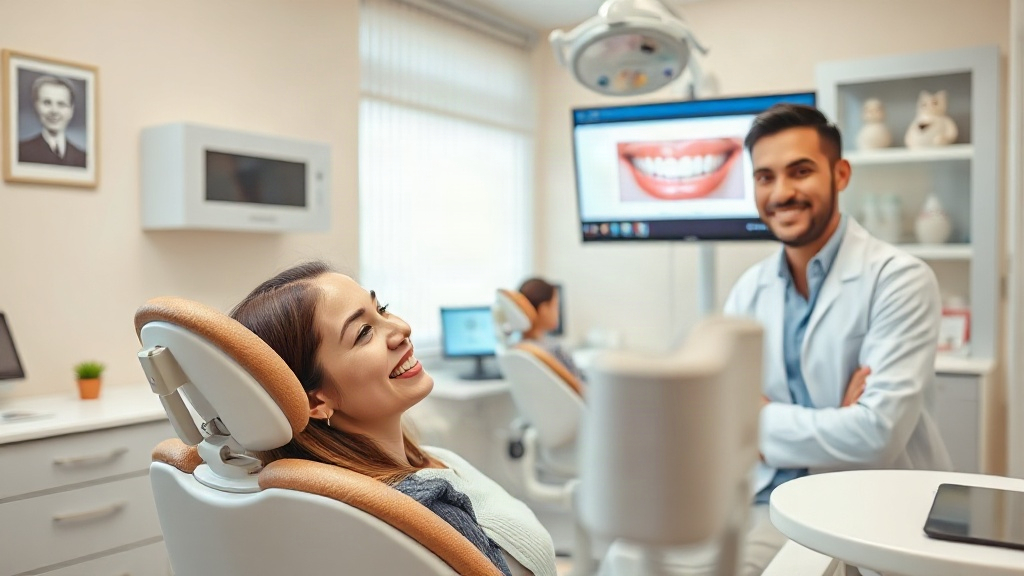
If you’ve been hiding your smile in photos or hesitating before laughing out loud, you’re not alone. Millions of people feel self-conscious about chipped, stained, or uneven teeth. And more and more of them are discovering a practical solution: traveling to Turkey for high-quality dental work at a fraction of the price they’d pay at home. veneers turkey has become a trusted search term for patients from the UK, Europe, and beyond who want a complete smile makeover without draining their savings.
But there’s a lot of noise online. Some clinics promise the moon, while others cut corners in ways that put your health at risk. In this guide, I’ll walk you through what actually matters: the difference between Emax veneers and zirconium crowns, what the process looks like, how to vet a clinic, and what real patients wish they’d known before booking a flight.
Why Turkey Became a Global Hub for Dental Veneers
Turkey didn’t become a dental tourism giant by accident. The country sits at the crossroads of Europe and Asia, with direct flights from most major cities. But the real draw is the combination of three things: highly trained dentists, modern technology, and a cost of living that keeps prices surprisingly affordable.
A full set of veneers that might cost £8,000 to £15,000 in the UK can often be done in Turkey for £2,500 to £5,000, depending on the material and the number of teeth. That price usually includes accommodation, airport transfers, and sometimes even a translator. For many, that’s the difference between “maybe someday” and “I’m booking it now.”
But price alone isn’t enough. The best clinics in Istanbul, Antalya, and Izmir invest heavily in CAD/CAM technology, digital smile design, and in-house ceramic labs. This means you can often get your permanent veneers within a week, not months. The key is knowing what to look for, because not every clinic operates at that level.
Emax Veneers vs. Zirconium Crowns: Making the Right Choice
When you start researching emax veneers turkey, you’ll quickly see two main options: Emax (lithium disilicate) veneers and zirconium crowns. Both are excellent, but they serve different purposes. Understanding the difference will help you have a smarter conversation with your dentist and avoid being upsold into something you don’t need.
What Are Emax Veneers?
Emax is a brand name for lithium disilicate glass-ceramic. It’s prized for its translucency and natural light reflection, which makes it almost indistinguishable from real enamel. Emax veneers are thin shells, typically 0.3 to 0.5 mm thick, bonded to the front surface of your teeth. They require minimal tooth preparation, meaning your dentist removes only a tiny layer of enamel, if any.
Emax is the go-to choice for patients who want to fix discoloration, small chips, gaps, or slightly misaligned teeth. It’s especially popular for the upper front teeth, where aesthetics matter most. The material is strong enough for everyday use but not as indestructible as zirconium, so it’s usually reserved for areas with normal biting forces.
What Are Zirconium Crowns?
zirconium crowns turkey are full-coverage restorations made from zirconium dioxide, a incredibly tough ceramic. Unlike veneers, crowns cover the entire tooth, which means more tooth structure needs to be reduced. Zirconium is often chosen for back teeth, for patients who grind their teeth, or when a tooth is heavily damaged and needs extra protection.
Modern zirconium is also quite aesthetic. Monolithic zirconium can be layered with porcelain to mimic natural enamel, though it’s slightly more opaque than Emax. Many clinics now offer “full zirconium” or “multilayer zirconium” crowns that look very natural while providing maximum strength.
Which One Do You Need?
The right choice depends on your specific situation. Here’s a simple breakdown:
- Choose Emax veneers if: Your teeth are mostly healthy, you want to fix appearance issues on the front teeth, and you prefer minimal tooth reduction.
- Choose zirconium crowns if: You have large fillings, root canals, severe wear, or you need strength for back teeth. Also consider zirconium if you grind your teeth at night.
- Some patients combine both: Emax on the front six or eight teeth for aesthetics, and zirconium on the premolars and molars for durability. This is a common full-mouth rehabilitation approach.
A reputable dentist will never push you toward the more expensive option without explaining why. If a clinic tells you “everyone gets zirconium” or “Emax is always better,” that’s a red flag.
The Veneer Process in Turkey: Step by Step
Knowing what to expect can ease a lot of anxiety. Here’s how a typical veneer journey unfolds when you travel to Turkey for treatment.
1. Online Consultation and Smile Design
Most clinics start with a free online consultation. You’ll send photos of your teeth from different angles, and the dentist will assess your case. Some clinics use digital smile design software to show you a preview of your potential results. This is also when you’ll get a detailed quote and a proposed treatment plan.
Be wary of clinics that give you a fixed price before seeing your teeth. A good quote should be itemized: number of veneers or crowns, material, lab fees, and any additional treatments like gum contouring or root canals.
2. Arrival and First Appointment
Once you land, the clinic will typically arrange your transfer to the hotel and then to the dental office. Your first appointment usually lasts two to three hours. The dentist will do a full examination, take X-rays and 3D scans, and discuss your goals in person. This is your chance to ask questions and make adjustments to the plan.
If you’re getting veneers, the dentist will prepare your teeth by removing a thin layer of enamel. For crowns, more reduction is needed. Then they’ll take digital impressions or traditional molds. In many clinics, temporary veneers or crowns are placed so you don’t walk around with sensitive, prepared teeth.
3. The Lab Phase
Your impressions go to the dental lab, often located in the same building or nearby. Skilled ceramicists hand-layer the porcelain to match the shade and translucency you agreed on. This usually takes three to five days. During this time, you can explore the city, rest, or work remotely. Some patients use this gap to have other minor dental work done.
4. Fitting and Bonding
At your second major appointment, the dentist will try in your permanent veneers or crowns. You’ll look in the mirror, check the shape and color, and give feedback. Adjustments can be made on the spot. Once you’re happy, the restorations are bonded or cemented in place. The dentist will check your bite and make sure everything feels comfortable.
5. Aftercare and Follow-Up
You’ll leave with care instructions: avoid hard foods for a few days, maintain excellent oral hygiene, and use a night guard if you grind your teeth. Most clinics offer a warranty of several years on the ceramic work, but only if you follow their aftercare guidelines. A follow-up video call or check-up may be scheduled.
How to Choose a Safe and Reliable Clinic
This is the most important section, and I’m not going to sugarcoat it. Turkey has thousands of dental clinics, and the quality varies enormously. Some are world-class. Others are little more than tourist traps that rush through cases and use cheap materials. Here’s how to separate the good from the bad.
Check Credentials and Memberships
Look for dentists who are members of international organizations like the International Congress of Oral Implantologists (ICOI) or the European Academy of Esthetic Dentistry (EAED). Turkish dentists must be registered with the Turkish Dental Association. A clinic’s website should list its dentists’ names, qualifications, and experience. If you can’t find that information, move on.
Read Independent Reviews
Don’t rely on the clinic’s own testimonials. Check Google reviews, Trustpilot, and dental tourism forums. Look for patterns: do patients mention feeling rushed? Are there complaints about communication? How does the clinic respond to negative feedback? A few bad reviews are normal, but a string of similar complaints is a warning sign.
Ask About the Materials
Legitimate clinics will tell you exactly what brand of ceramic they use: Ivoclar for Emax, and reputable zirconium brands like Katana or BruxZir. If they say “we use the best material” without naming it, be suspicious. Ask for the lab’s name and whether it’s in-house or outsourced. In-house labs often mean better quality control.
Understand the Warranty
A trustworthy clinic will offer a written warranty, usually 5 to 10 years on veneers and crowns. Read the fine print: does it cover chipping, debonding, or color changes? What are the conditions? Some warranties are void if you don’t return for annual check-ups, which may not be practical if you live abroad.
Communication and Transparency
From the first message, pay attention to how the clinic communicates. Do they answer your questions directly? Do they provide a clear treatment plan and cost breakdown? Do they explain risks and alternatives? A clinic that pressures you to book immediately or offers a “special discount” that expires today is not acting in your best interest.
What Real Patients Wish They Knew
I’ve talked to dozens of people who traveled to Turkey for veneers. Here are the lessons they shared, the kind of advice you won’t find in glossy Instagram ads.
Don’t Chase the Cheapest Price
Several patients told me they chose the lowest quote and regretted it. One woman ended up with bulky, unnatural-looking crowns that had to be redone at home, costing her more in the long run. Another man’s veneers started chipping after six months because the lab used subpar ceramic. A good rule of thumb: if a full set of veneers costs less than £1,500, something is being cut, whether it’s material quality, lab time, or sterilization.
Plan for More Time Than You Think
Most clinics advertise “veneers in 5 days,” but that’s the best-case scenario. If you need extractions, gum treatment, or root canals, your stay will be longer. Some patients needed two trips because their case was complex. Don’t book a tight return flight. Give yourself at least 7 to 10 days, and be flexible.
Bring a Friend or Family Member
Dental procedures can be tiring, especially if you’re having many teeth prepared at once. Having someone with you helps with translation, moral support, and just getting around. If you’re going alone, choose a clinic that provides a dedicated patient coordinator who speaks your language fluently.
Your Bite Might Feel Different
After getting veneers or crowns, your bite will feel unusual for a few days. This is normal. But if you have persistent pain, a lisp, or a feeling that your teeth don’t meet properly, speak up before you leave. Adjustments are much easier while you’re still in Turkey.
The “Turkey Teeth” Stereotype Is Real, But Avoidable
You’ve probably seen the “Turkey teeth” memes: unnaturally white, uniform, oversized crowns that look like Chiclets. That look comes from clinics that prioritize speed and profit over artistry. A skilled cosmetic dentist will match the shade to your skin tone, create subtle variations in translucency, and shape each tooth to fit your face. Ask to see before-and-after photos of previous patients with a similar facial structure to yours. If every smile looks identical, that’s a red flag.
Cost Breakdown: What to Expect
Prices vary widely depending on the clinic’s location, reputation, and the materials used. Here’s a general range based on current market rates in 2025:
- Emax veneer: £150 to £300 per tooth
- Zirconium crown: £120 to £250 per tooth
- Full set of 20 veneers: £3,000 to £6,000
- Full mouth reconstruction (28 crowns): £3,500 to £7,000
These prices usually include the consultation, X-rays, temporary restorations, lab fees, and sometimes accommodation and transfers. Always ask what’s included and what’s extra. Additional costs might include:
- Root canal treatment: £80 to £150 per tooth
- Tooth extraction: £30 to £80 per tooth
- Gum contouring: £100 to £300
- Night guard: £50 to £150
Be cautious of “all-inclusive” packages that seem too good to be true. A package that includes 20 zirconium crowns, 5-star hotel, flights, and transfers for £2,000 is almost certainly cutting corners somewhere.
Alternatives to Full Veneers
Veneers aren’t the only option for a better smile. Depending on your dental health and goals, you might consider:
- Teeth whitening: Professional whitening can dramatically improve mild to moderate staining for a fraction of the cost.
- Composite bonding: A tooth-colored resin is applied and shaped directly on your teeth. It’s cheaper than porcelain but lasts only 3 to 5 years.
- Orthodontics: Clear aligners can fix misalignment without any tooth reduction. It takes longer but preserves your natural teeth.
- Dental implants: If you have missing teeth, implants are the gold standard for replacement, and they can also support crowns or bridges.
A good dentist will discuss all options with you, not just the most expensive one. If a clinic immediately pushes you toward a full set of veneers without considering less invasive treatments, get a second opinion.
Aftercare: Making Your Investment Last
Veneers and crowns are durable, but they’re not indestructible. With proper care, Emax veneers can last 10 to 15 years, and zirconium crowns can last even longer. Here’s how to protect your investment:
- Brush and floss daily: The margins where the veneer meets your natural tooth are vulnerable to decay. Flossing is non-negotiable.
- Use a soft-bristled toothbrush and non-abrasive toothpaste: Abrasive pastes can scratch the glaze on porcelain.
- Avoid chewing on hard objects: No ice, pens, or fingernails. Use your back teeth for tough foods, not your veneers.
- Wear a night guard if you grind: Grinding can chip or crack ceramic restorations. A custom night guard is cheap insurance.
- Schedule regular dental check-ups: Even if you don’t live in Turkey, see a local dentist every six months for a professional cleaning and examination.
Frequently Asked Questions
How long do Emax veneers last in Turkey?
With proper care, Emax veneers can last 10 to 15 years. The lifespan depends on your oral hygiene, diet, and whether you grind your teeth. Regular dental check-ups and avoiding hard foods will extend their life. Many clinics offer a warranty of 5 to 10 years on the ceramic work.
Is it safe to get zirconium crowns in Turkey?
Yes, if you choose a reputable clinic with qualified dentists and high-quality materials. Zirconium is a biocompatible, metal-free ceramic that is widely used in dentistry worldwide. The key is to verify the clinic’s credentials, read independent reviews, and ask about the specific zirconium brand they use.
How much does a full set of veneers cost in Turkey?
A full set of 20 Emax veneers typically costs between £3,000 and £6,000, depending on the clinic and materials. Zirconium crowns are slightly less expensive, ranging from £2,500 to £5,000 for a full arch. These prices usually include consultation, temporary restorations, and lab fees, but always confirm what’s included.
Can I get veneers in Turkey if I have gum disease?
No, active gum disease must be treated before veneers or crowns are placed. A good clinic will examine your gums and may require periodontal treatment or a deep cleaning before proceeding. Ignoring gum disease can lead to failure of the restorations and further tooth loss.
What is the difference between Emax veneers and zirconium crowns?
Emax veneers are thin shells bonded to the front of teeth, requiring minimal tooth reduction. They are highly aesthetic and best for front teeth. Zirconium crowns cover the entire tooth, require more reduction, and are stronger, making them suitable for back teeth or heavily damaged teeth. Many patients combine both for a full-mouth rehabilitation.
Final Thoughts
Getting veneers in Turkey can be one of the best decisions you ever make for your confidence and quality of life, but only if you approach it with clear eyes. Do your research, ask hard questions, and don’t let price be your only guide. The right clinic will treat you as a partner in your dental health, not just a tourist with a credit card. Whether you choose Emax veneers for a subtle enhancement or zirconium crowns for maximum durability, your smile is worth the effort to get it right.