
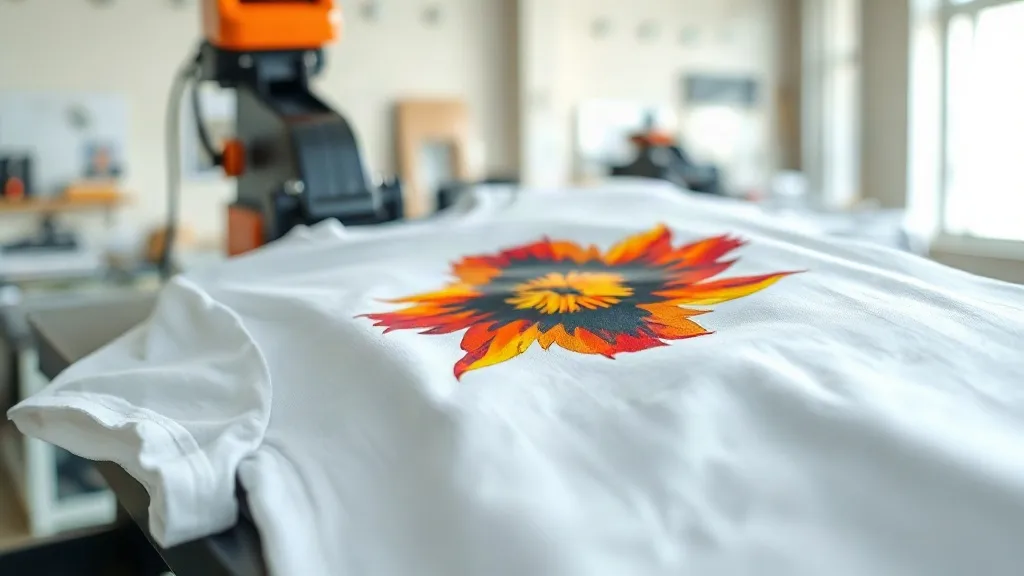
Imagine pressing a button and watching a full-color design emerge on a T-shirt, not as a stiff patch but as a flexible, vibrant part of the fabric. That's the promise of dtf printing, a method that's been quietly revolutionizing the custom apparel world. Unlike traditional screen printing or vinyl cutting, DTF (Direct to Film) printing lets you produce intricate, multi-colored designs without the setup costs or color limitations. Whether you're a small business owner, a hobbyist, or someone curious about the latest in garment decoration, understanding DTF can open up a world of creative possibilities.
What Exactly Is DTF Printing?
At its core, DTF printing is a process where a design is printed onto a special film using a printer equipped with pigment-based inks. The printed film is then coated with a hot-melt adhesive powder, which is cured to create a transferable layer. When you're ready to apply it, you place the film on your fabric and use a heat press to transfer the design. The result is a soft, stretchable print that adheres well to cotton, polyester, and blends. The magic lies in the film: it holds the ink and adhesive, allowing for detailed gradients and photo-realistic images that other methods struggle to replicate.
The Step-by-Step Process
- Design Preparation: Create your artwork in a graphic software and mirror it horizontally. DTF printing requires mirroring because the design is transferred face-down.
- Printing: Load the DTF film into a specialized printer. The printer lays down a white ink base, followed by CMYK inks. The white base is crucial for opacity on dark fabrics.
- Powdering: While the ink is still wet, the film is sprinkled with a thermoplastic powder. This powder sticks to the wet ink.
- Curing: The powdered film goes through a curing oven or under a heat source to melt the powder, creating a solid, flexible layer.
- Transfer: The film is placed on the garment and pressed with a heat press at around 160°C (320°F) for 10-15 seconds. After pressing, you peel off the film while it's hot or cold, depending on the film type.
Each step is critical, but the process is forgiving enough for beginners to get good results with practice.
Why DTF Transfers Are Gaining Traction
If you've been in the custom apparel game for a while, you've probably tried heat transfer vinyl (HTV) or screen printing. So why consider dtf transfers? For starters, they eliminate the need for weeding tiny details. With HTV, you spend hours cutting and weeding, and multi-color designs become a nightmare. DTF transfers come pre-printed and ready to press, saving you time and reducing waste. Plus, they work on a wider range of fabrics, including those that are hard to screen print, like polyester and nylon.
Another advantage is the color vibrancy. DTF inks are pigment-based, which means they hold up well to washing and won't fade as quickly as some other methods. The white ink base ensures that colors pop even on dark garments, giving you that bold look without the thick feel of traditional plastisol transfers.
Cost-Effectiveness for Small Businesses
For small businesses or startups, DTF is a game-changer. Screen printing requires separate screens for each color, which is expensive for short runs. DTF transfers, on the other hand, are printed digitally, so you can order just one or two without breaking the bank. This makes it perfect for samples, custom orders, or limited editions. You can also stock a variety of pre-printed designs and press them on demand, reducing inventory overhead.
Getting Started with DTF: What You Need
Ready to dive in? Here's a basic rundown of the equipment and materials you'll need to start your DTF journey.
- DTF Printer: A dedicated DTF printer (often modified Epson or Ricoh models) with DTF inks. You can also outsource printing to a service if you're not ready to invest.
- DTF Film: Available in rolls or sheets, both cold and hot peel varieties. Cold peel is more common for beginners.
- Adhesive Powder: Thermoplastic powder that bonds the ink to the fabric.
- Curing Oven or Heat Gun: To melt the powder. A heat press can also be used for curing, but a dedicated oven is more efficient.
- Heat Press: For transferring the design to the garment. A good quality press ensures even pressure and temperature.
- Design Software: Any vector or raster software like Adobe Illustrator, Photoshop, or free alternatives like Inkscape or GIMP.
If you're not ready to buy a printer, you can order custom dtf transfers from online services and just invest in a heat press. That's a low-barrier entry point to test the waters.
Tips for Perfect Transfers
Even with the right equipment, small mistakes can ruin a transfer. Here are some hard-earned tips:
- Pre-press your garment: This removes moisture and wrinkles, ensuring the transfer adheres smoothly.
- Use the right pressure: Medium to high pressure is usually needed. Too little pressure and the design won't stick; too much and the ink can spread.
- Mind the temperature: Each film and powder has specific temperature recommendations. Always follow the manufacturer's guidelines.
- Peel correctly: Cold peel films should be allowed to cool completely before peeling. Hot peel films are removed immediately. Getting this wrong can cause the design to crack or peel off.
- Wash inside out: To extend the life of your DTF prints, wash garments inside out in cold water and avoid harsh detergents.
Common Challenges and How to Overcome Them
DTF printing isn't without its quirks. One common issue is the white ink not being opaque enough, leading to a dull design on dark shirts. This often happens if the white ink layer is too thin or if the powder isn't applied evenly. Increasing the white ink density in your printer settings and ensuring a generous, even coat of powder can fix this.
Another challenge is the feel of the print. While DTF is softer than some alternatives, it can still have a slight texture. Using a finer powder and adjusting the ink limits can minimize this. Also, some fabrics with heavy textures (like ribbed knits) may require a bit more pressure and time to get the transfer to sink into the grooves.
Lastly, color accuracy can be tricky. Since DTF uses CMYK inks, the colors you see on screen might not match the final print exactly. It's a good idea to create a color profile for your printer and calibrate your monitor to get closer results.
DTF vs. Other Printing Methods
How does DTF stack up against screen printing, DTG, and HTV? Let's break it down.
- Screen Printing: Best for large orders with few colors. DTF wins for small runs and complex designs.
- DTG (Direct to Garment): Great for 100% cotton, but DTF works on more fabrics and often has better durability.
- HTV: Ideal for simple one-color designs. DTF handles multi-color and gradients with ease.
- Sublimation: Only works on polyester and requires white fabric. DTF is more versatile.
Each method has its place, but DTF's flexibility makes it a strong contender for anyone wanting to offer a variety of products.
Frequently Asked Questions
How long do DTF prints last?
With proper application and care, DTF prints can last as long as the garment itself. They are resistant to cracking, peeling, and fading if washed inside out in cold water and tumble dried on low. Some users report prints lasting over 50 washes without significant degradation.
Can I use DTF on any fabric?
DTF works best on cotton, polyester, and blends, but it can also adhere to nylon, leather, and even some treated fabrics. However, fabrics with a heavy weave or coating may require adjustments in pressure and temperature. Always test on a scrap piece first.
Do I need a special printer for DTF?
Yes, you need a printer that uses DTF pigment inks and can handle the film. Many people convert Epson or Ricoh printers with DTF ink systems. Alternatively, you can buy a dedicated DTF printer or outsource printing to a service.
What's the difference between hot peel and cold peel DTF film?
Hot peel film allows you to remove the carrier sheet immediately after pressing while the transfer is still hot. Cold peel requires you to wait until it cools down. Hot peel is faster but can be trickier to handle; cold peel is more forgiving for beginners.
Is DTF printing profitable for a small business?
Absolutely. The low setup costs and ability to print on demand make DTF a profitable option for small businesses. You can offer custom apparel without investing in expensive screens or minimum orders. Many entrepreneurs start with a heat press and outsourced transfers, then scale up as demand grows.
Final Thoughts
DTF printing is more than a trend; it's a practical solution for creating high-quality, durable custom apparel. Whether you're adding a new service to your business or making shirts for your team, understanding the ins and outs of DTF can save you time and money. Start small, experiment with different fabrics and films, and soon you'll be producing vibrant, professional-looking designs that your customers will love.