
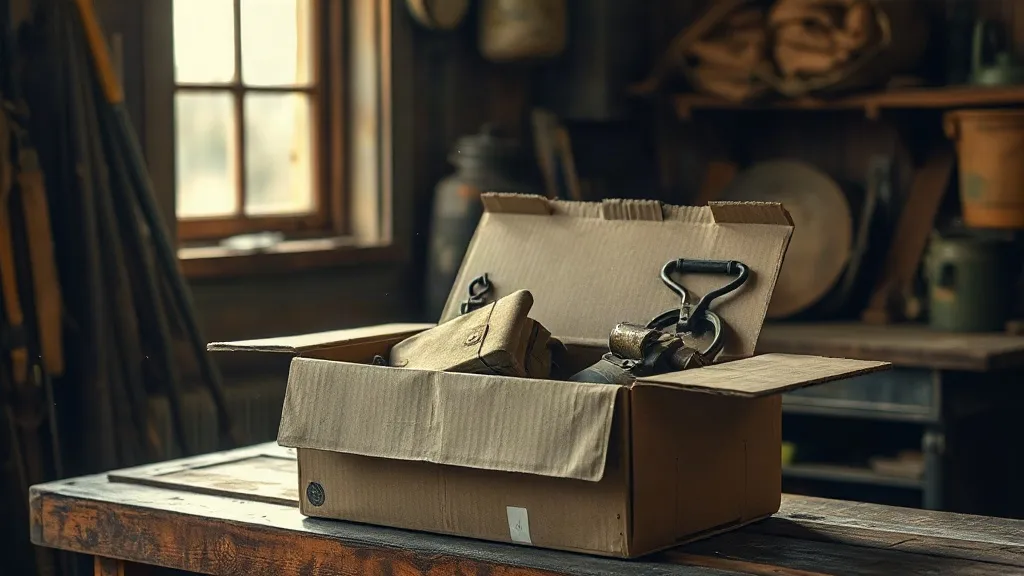
The allure of an estate sale is the promise of the unexpected: a mid-century lamp, a box of forgotten postcards, a set of tools that outlived their owner. In Texas, one buyer got an unexpected item of a very different kind. According to the Austin police association, a person who had purchased a box of items at an estate sale discovered several grenades dating to the second world war inside it. The devices were not inert souvenirs. They were described in a social media post as live and active, and their discovery led to a temporary neighborhood lockdown while the Austin police department's bomb squad responded. The grenades were ultimately removed and disarmed, and no injuries were reported.
The episode is a compact lesson in how the past can sit quietly inside a cardboard box for decades, waiting for an ordinary Saturday purchase to bring it into the present. It also raises a practical question for anyone who has ever browsed a sale full of military memorabilia: how do you tell a harmless relic from something that can still hurt you?
What Happened in the Texas Neighborhood
The sequence of events was familiar to anyone who has watched a bomb squad call unfold: a discovery, a call to authorities, a cautious response, and a period of disruption for the people living nearby. The buyer had already brought the box home when the grenades were found. That detail matters. The danger did not stay at the estate sale; it traveled with the purchase.
Police moved quickly to secure the area. A lockdown kept residents inside while specialists assessed the devices. The grenades were removed and disarmed, according to the Austin police association's account. The phrase used to describe them, live and active, is the key part of the story. It means the grenades were not simply rusty metal shaped like weapons. They retained the components and condition that could make them function.
For neighbors, the disruption was brief but real. For the buyer, the experience likely turned a routine errand into a story they will tell for years. And for anyone who collects or inherits old military items, it is a reminder that the line between artifact and hazard is not always visible.
Why World War II Grenades Still Turn Up
The second world war ended more than eighty years ago, yet its physical remains continue to surface in attics, garages, flea markets, and estate sales. There are several reasons these objects persist in private hands.
Souvenirs Came Home by the Thousands
Service members returning from Europe and the Pacific often brought back items they had picked up overseas. Some were officially sanctioned trophies. Many were not. A grenade could be tucked into a duffel bag as a curiosity, a piece of history, or a gift for a family member who collected military gear. Once home, it might sit on a shelf, go into a footlocker, or disappear into a box of miscellaneous belongings.
Inert and Live Versions Look Alike
Collectors distinguish between inert and live ordnance, but the difference is not always obvious. An inert grenade has been rendered safe, often by removing the explosive filler or by drilling the body. A live grenade retains its energetic material. From the outside, especially after decades of wear, the two can appear nearly identical. Without expert inspection, a casual observer may have no reliable way to tell them apart.
Estate Sales Sell Boxes, Not Inventories
Estate sales are often organized around volume. Entire households are sorted into lots, and buyers purchase boxes or groups of items rather than individual pieces. That model is efficient, but it means contents can go uninspected. A box labeled simply as military items or miscellaneous collectibles may contain something far more consequential than a helmet or a canteen.
What Makes a Grenade Live and Active
The description live and active is not a casual phrase. It indicates that the device was assessed as capable of functioning. For a hand grenade, that generally involves the fuse assembly, the body, and the explosive charge. Even after decades, certain components can remain viable.
Older grenades can become more unpredictable, not less. Corrosion, temperature swings, and rough handling can affect stability. That is why bomb squads treat old ordnance with the same caution as new devices. The risk is not only that a grenade might work as designed. It is that age and deterioration can make its behavior harder to predict.
This is also why the standard advice from law enforcement is consistent: do not touch, do not move, and do not attempt to disarm. Call emergency services and let trained personnel handle it. The Texas case followed that pattern, and the outcome reflected it. The grenades were removed and disarmed without harm.
How to Handle a Suspicious Find
If you buy, inherit, or uncover something that might be ordnance, the practical steps are straightforward and worth remembering.
- Stop handling the object immediately. Do not shake it, open it, or test its parts.
- Keep other people, especially children and pets, away from the area.
- Call emergency services and describe what you found, where it is, and how you came across it.
- Follow instructions from responders. They may ask you to evacuate or to remain in place.
- Do not transport the item to a police station or firehouse yourself.
The temptation to treat a wartime relic as a conversation piece is understandable. Military history is fascinating, and genuine artifacts carry a tangible connection to the past. But live ordnance is not a collectible. It is a hazard that requires professional handling.
What This Means for Collectors and Buyers
The Texas discovery is a useful case study for several groups. For collectors of military memorabilia, it reinforces the value of provenance and expert authentication. Knowing where an item came from and whether it has been rendered inert is not just a matter of value. It is a matter of safety.
For estate sale organizers, the episode highlights the limits of sorting by category. A box marked military might contain documents, uniforms, and insignia. It might also contain something that should never have been sold. Some sellers now include disclaimers or inspect military lots more carefully, but practices vary widely.
For ordinary buyers, the lesson is simpler. Curiosity is fine. Caution is better. If a purchase includes something that looks like ammunition, a grenade, or any other ordnance, treat it as potentially live until a professional says otherwise. The cost of a phone call is trivial compared with the alternative.
Frequently Asked Questions
Were the grenades found at the estate sale or after the buyer got home?
The grenades were discovered in a box of items the buyer had purchased at the estate sale. The discovery prompted a neighborhood lockdown and a bomb squad response, and the devices were removed and disarmed.
What does it mean when police call a grenade live and active?
It means the device was assessed as capable of functioning, rather than being a harmless display piece or a fully inert replica. Live ordnance can retain dangerous components even after many decades.
Can old World War II grenades still explode?
Yes. Age does not automatically make a grenade safe. In some cases, deterioration can make an old device more unpredictable, which is why experts treat historical ordnance with the same caution as modern items.
What should I do if I find a possible grenade in an estate sale purchase?
Do not touch or move it. Keep others away, call emergency services, and follow the instructions of responders. Never attempt to disarm it yourself or carry it to a police station.
Are estate sales required to inspect military items before selling them?
Requirements and practices vary. Many sales are organized by volume and may not inspect every item closely. Buyers should treat unidentified military objects as potentially hazardous until an expert confirms otherwise.