
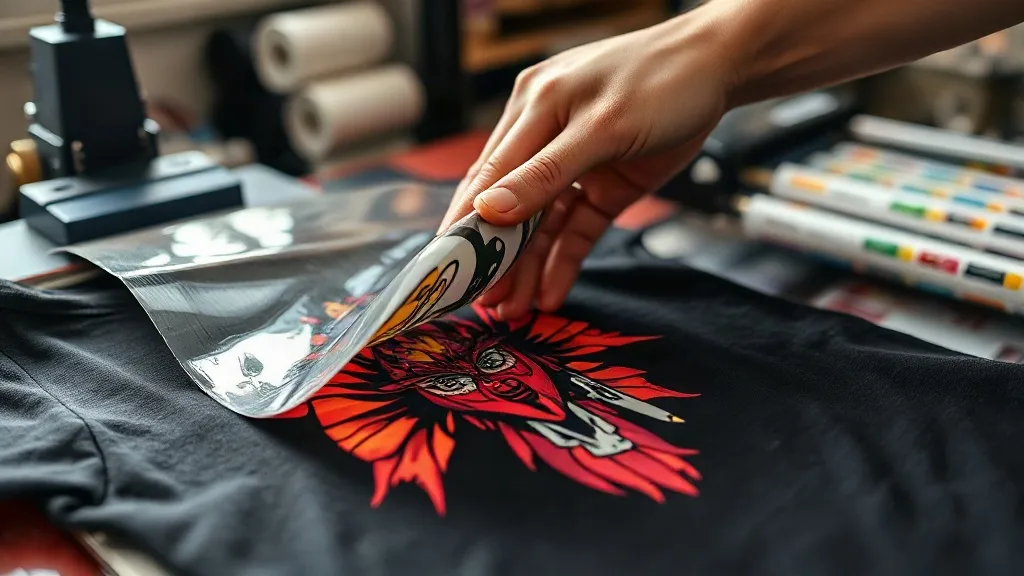
If you have been anywhere near the custom apparel scene lately, you have probably heard about dtf printing. It is the technology that has everyone from hobbyists to large print shops buzzing, and for good reason. Unlike traditional methods that require weeding, masking, or specialized equipment, DTF transfers offer a simpler, more versatile way to get vibrant, long-lasting designs onto fabric. Whether you are printing a single shirt for yourself or running a full production line, understanding DTF can open up a world of possibilities.
In this guide, we will dive deep into what DTF transfers are, how they compare to other printing methods, and how you can use them to achieve professional-quality results. We will also share practical tips to avoid common pitfalls and ensure your prints look great wash after wash.
What Are DTF Transfers?
DTF stands for Direct to Film. It is a printing process where your design is printed onto a special PET film using pigment-based inks, then coated with a powdered hot-melt adhesive. The film is then cured, and the design is ready to be transferred onto a garment using a heat press. The adhesive powder is what allows the print to bond permanently to the fabric.
The magic of dtf transfers lies in their versatility. Because the design is printed on a film, you can apply it to almost any fabric: cotton, polyester, blends, even nylon and leather. This is a huge advantage over DTG (Direct to Garment) printing, which works best on 100% cotton, or vinyl cutting, which can be time-consuming for complex designs.
How DTF Printing Works: A Step-by-Step Overview
Understanding the process helps you appreciate the results. Here is what happens from digital file to finished garment:
- Design Preparation: Your artwork is prepared in a RIP software, which handles color management and ensures the white ink layer is correctly generated. The design is typically printed in reverse.
- Printing: A DTF printer lays down the CMYK colors and a white base layer onto the PET film. The white layer is crucial for opacity on dark fabrics.
- Powdering: While the ink is still wet, the film passes through a powdering unit that sprinkles hot-melt adhesive powder evenly over the design. Excess powder is shaken off.
- Curing: The film goes through a curing oven or under a heat source to melt the powder and dry the ink. This creates a flexible, durable transfer.
- Transfer: The cured film is placed on the garment and pressed with a heat press. The adhesive melts, bonding the design to the fabric. After cooling, the film is peeled away, leaving the design behind.
Each step is critical, but once you have a workflow down, it becomes second nature. Many small businesses start with a desktop DTF printer and a heat press, scaling up as demand grows.
Why Choose DTF Transfers?
There are several compelling reasons why DTF has become a go-to method for so many.
1. Unmatched Fabric Compatibility
As mentioned, DTF works on a wide range of materials. This means you can offer customers options that were previously difficult or impossible with other methods. Want to print on a polyester performance wear? No problem. A cotton canvas tote? Easy. Even leather jackets can be decorated with DTF.
2. No Weeding or Masking Required
If you have ever spent hours weeding vinyl, you know the pain. DTF eliminates that entirely. You print, powder, cure, and press. The film acts as the carrier, and there is no intricate cutting or weeding. This saves time and reduces waste, especially for complex, multi-color designs.
3. Vibrant, Detailed Prints
DTF printers use high-quality pigment inks that produce rich, saturated colors. The white ink layer ensures that colors pop even on dark garments. Fine details, gradients, and photographic images come out sharp and true to the original design.
4. Durability and Stretchability
When applied correctly, DTF prints are extremely durable. They withstand repeated washing without cracking, peeling, or fading. The hot-melt adhesive creates a strong bond that moves with the fabric, making it ideal for stretchy materials like spandex and knits.
5. Cost-Effective for Short Runs
Unlike screen printing, which requires separate screens for each color and becomes cost-effective only at higher quantities, DTF is economical for small batches. You can print one-off designs or small orders without breaking the bank. This makes it perfect for personalized gifts, samples, and small business startups.
DTF vs. Other Printing Methods
To help you decide if DTF is right for your needs, let's compare it to some common alternatives.
DTF vs. DTG
DTG (Direct to Garment) prints directly onto the fabric, usually cotton. It excels at detailed, photographic prints and has a soft hand feel. However, DTG requires pre-treatment, and the colors may not be as vibrant on dark shirts without a white base. DTF, on the other hand, can handle any fabric and produces consistent results with a slightly thicker feel due to the adhesive layer.
DTF vs. Vinyl
Heat transfer vinyl (HTV) is great for simple designs and personalization. It involves cutting the vinyl, weeding, and pressing. For multi-color designs, you need to layer vinyl, which can be time-consuming and may result in a bulky feel. DTF is superior for complex, full-color designs and eliminates weeding.
DTF vs. Screen Printing
Screen printing is the gold standard for large orders of the same design. It offers excellent durability and a soft feel, but setup costs are high and it's not practical for small runs or designs with many colors. DTF is more flexible and requires no screens, making it ideal for on-demand printing.
How to Apply DTF Transfers for Best Results
Getting a perfect transfer requires attention to a few key variables. Here is a step-by-step guide to applying DTF transfers like a pro.
Step 1: Prepare Your Heat Press
Set your heat press to the recommended temperature, usually between 300°F and 325°F (150°C to 160°C). Pre-press the garment for a few seconds to remove moisture and wrinkles. This ensures a smooth surface for the transfer.
Step 2: Position the Transfer
Place the DTF transfer on the garment with the printed side facing up. If your transfer has a white layer, that side should be against the fabric. Use heat-resistant tape if needed to hold it in place.
Step 3: Press
Apply medium to firm pressure for 10-15 seconds. The exact time can vary based on your press and the film manufacturer's instructions. Always test with a sample first.
Step 4: Peel
DTF transfers can be peeled either hot or cold, depending on the film type. Most modern films are cold peel, meaning you wait for the transfer to cool completely before peeling. This allows the adhesive to set properly. Peel slowly and at a low angle.
Step 5: Post-Press (Optional)
For extra durability, you can cover the design with a Teflon sheet or parchment paper and press again for 5-10 seconds. This helps the adhesive fully penetrate the fabric.
Common Mistakes to Avoid
Even with a straightforward process, some pitfalls can ruin your results. Watch out for these:
- Insufficient Pressure: If the pressure is too low, the adhesive won't bond properly, leading to peeling. Adjust your press accordingly.
- Wrong Temperature: Too hot and the film may curl or the ink may scorch; too cold and the adhesive won't melt. Always follow the film's guidelines.
- Peeling Too Early: If you peel while hot and the film is meant for cold peel, the design can stretch or tear.
- Not Pre-Pressing: Moisture in the fabric can cause the transfer to lift. Always pre-press.
- Using the Wrong Film: Different films have different characteristics. Make sure you are using a quality film suitable for your fabric and printer.
Choosing the Right DTF Supplies
The quality of your supplies directly impacts your output. Here is what to look for:
- PET Film: Look for film that is coated for DTF printing. It should be able to handle the ink and powder without warping. Thickness matters: thinner films (75-100 microns) are easier to handle and conform better to fabrics.
- Inks: Use high-quality DTF pigment inks designed for your printer. Cheap inks can clog printheads and produce dull colors.
- Adhesive Powder: The powder is the glue. Choose a fine, consistent powder that melts evenly. TPU-based powders are popular for their flexibility and durability.
- Printer: If you are buying a DTF printer, consider your volume and budget. Epson conversions are common for small businesses, while industrial printers are available for high production.
Frequently Asked Questions
How long do DTF transfers last?
When applied correctly and cared for properly, DTF transfers can last as long as the garment itself. They are resistant to cracking and fading, and can withstand dozens of washes. To maximize longevity, wash inside out in cold water and avoid ironing directly on the print.
Can I use DTF on 100% polyester?
Yes, DTF is excellent on polyester. The low-temperature application (compared to some other methods) prevents the polyester from scorching or melting. It also stretches with the fabric, so it won't crack when the garment moves.
Do I need a special printer for DTF?
You can convert a standard inkjet printer (like certain Epson models) to use DTF inks, or buy a dedicated DTF printer. Dedicated printers are designed to handle the white ink and powdering process more efficiently, but conversions are a cost-effective entry point.
What is the difference between hot peel and cold peel DTF film?
Hot peel film allows you to remove the carrier sheet immediately after pressing while the transfer is still hot. Cold peel requires you to wait until the transfer cools completely before peeling. Cold peel generally provides a smoother finish and is more forgiving, while hot peel speeds up production.
Can I layer DTF transfers?
Yes, you can layer DTF transfers, but it's trickier than layering vinyl. You need to press the first transfer, then apply the second on top and press again. The heat can affect the first layer, so it's best to use a lower temperature for the second press or use a heat press with precise control. Alternatively, you can design your artwork to include all elements in one transfer.
DTF transfers have truly democratized custom apparel printing. With a relatively low investment, you can produce high-quality, durable prints on almost any fabric. Whether you are a crafter, a small business owner, or just someone who loves personalized gear, DTF is a skill worth adding to your toolkit. Remember to practice, follow the guidelines, and soon you'll be creating stunning apparel that stands out.