
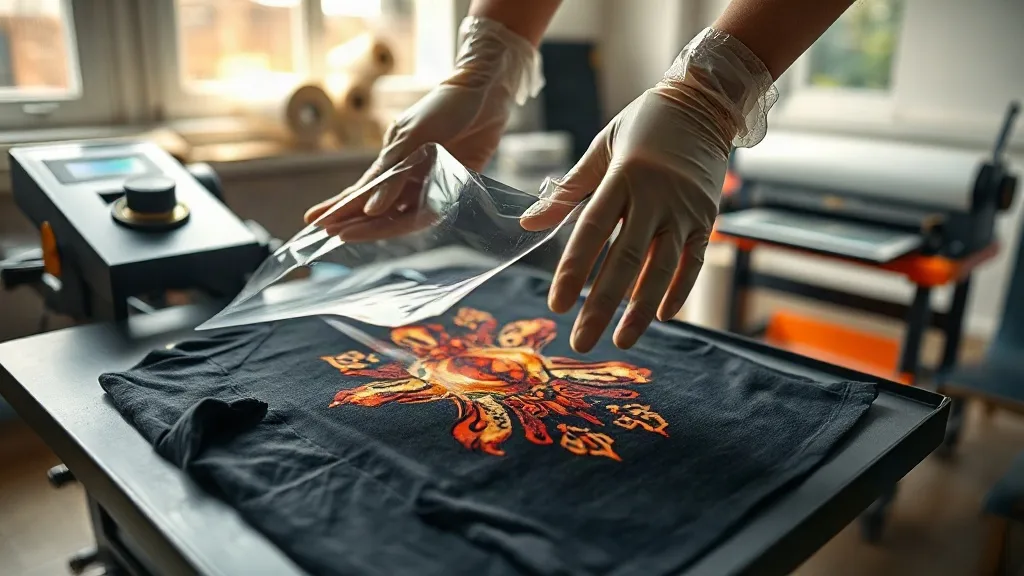
Custom apparel has never been more accessible, thanks to dtf technology. Whether you're a small business owner, a hobbyist, or someone looking to create personalized gifts, DTF transfers offer a game-changing solution. Unlike traditional methods that require specific fabrics or complex setups, DTF printing delivers vibrant, durable designs on almost any material. In this guide, we'll walk you through everything you need to know about dtf transfers, from the basics to pro tips that ensure stunning results every time.
What Are DTF Transfers?
DTF stands for Direct to Film. It's a printing method where your design is printed onto a special film, coated with a powder adhesive, and then heat-pressed onto your garment. The result? A soft, stretchable print that holds up wash after wash. Unlike DTG (Direct to Garment) or screen printing, DTF doesn't require pre-treatment or specific fabric blends. Cotton, polyester, blends, even nylon—DTF handles them all with ease.
The DTF Process Step by Step
Understanding the process helps you appreciate the magic behind DTF transfers. Here's a quick breakdown:
- Design Preparation: Your artwork is printed onto a PET film using specialized DTF inks. The printer lays down a white ink base, followed by CMYK colors, creating a mirror image of your design.
- Powder Application: While the ink is still wet, a hot-melt adhesive powder is sprinkled over the film. Excess powder is shaken off, leaving a thin, even layer.
- Curing: The film goes through a curing oven or heat press to melt the powder, creating a bond that will later adhere to the fabric.
- Transfer: Once cured, the film is placed on your garment and pressed with a heat press. After cooling, you peel away the film, leaving a vibrant, durable print.
This multi-step process might sound involved, but once you have the equipment, it's surprisingly efficient. And the results speak for themselves.
Why Choose DTF Transfers Over Other Methods?
If you're wondering whether DTF is right for your project, consider these advantages:
- Fabric Versatility: Works on cotton, polyester, blends, leather, and more. No need to stock multiple transfer types.
- Vibrant Colors: DTF inks produce bright, opaque colors that pop, even on dark fabrics.
- Soft Hand Feel: The prints are thin and stretchable, so they don't feel like a heavy patch.
- Durability: With proper application, DTF prints withstand dozens of washes without cracking or fading.
- No Weeding: Unlike vinyl, there's no tedious weeding process. Just print, powder, cure, and press.
- Cost-Effective for Short Runs: No setup fees or minimums, making it ideal for small batches or one-offs.
These benefits make DTF a favorite among crafters and professionals alike.
Getting Started with DTF Transfers
Ready to dive in? Here's what you'll need to start your DTF journey.
Essential Equipment
To produce DTF transfers, you'll need:
- A DTF printer (or access to a service that provides DTF transfers).
- DTF ink and PET film.
- Hot-melt adhesive powder.
- A heat press (for both curing and transferring).
- A curing oven (optional but recommended for larger operations).
If you're not ready to invest in a printer, many companies offer DTF transfer services where you can send your design and receive ready-to-press transfers.
Designing for DTF
Not all designs are created equal when it comes to DTF. Keep these tips in mind:
- Use High-Resolution Images: 300 DPI is standard for crisp prints.
- Avoid Very Fine Details: While DTF can handle detail, extremely thin lines may not reproduce perfectly.
- Consider Backgrounds: Since DTF prints white ink, transparent backgrounds work well. But if your design has a background, it will be printed.
- Test Small: Before committing to a large order, print a sample to check colors and sizing.
Applying DTF Transfers: Best Practices
Proper application is key to a long-lasting print. Follow these steps for optimal results:
- Preheat Your Garment: This removes moisture and wrinkles, ensuring a smooth surface.
- Position the Transfer: Place the film with the design facing up (or down, depending on your film type) on the garment.
- Heat Press: Use medium pressure at 325°F (160°C) for 15-20 seconds. Check your transfer supplier's recommendations for exact settings.
- Cool and Peel: Wait for the transfer to cool completely before peeling off the film. This prevents the design from stretching or tearing.
- Post-Press (Optional): For extra durability, cover the design with parchment paper and press again for 5-10 seconds.
With practice, you'll develop a feel for the perfect press.
Common Mistakes to Avoid
Even seasoned pros make mistakes. Here are a few to watch out for:
- Insufficient Pressure: Leads to poor adhesion and early peeling.
- Too Much Heat: Can scorch the fabric or cause the ink to bleed.
- Peeling Too Soon: Always let the transfer cool before peeling.
- Ignoring Fabric Type: While DTF works on many fabrics, some (like certain nylons) may require lower temperatures.
- Not Storing Transfers Properly: Keep unused transfers in a cool, dry place to prevent the powder from absorbing moisture.
DTF vs. Other Printing Methods
How does DTF stack up against DTG, screen printing, and vinyl? Here's a quick comparison:
- DTF vs. DTG: DTF works on more fabrics and doesn't require pre-treatment, but DTG can be more cost-effective for large runs on cotton.
- DTF vs. Screen Printing: Screen printing is cheaper for bulk orders but requires setup and works best on flat fabrics. DTF excels for complex designs and small batches.
- DTF vs. Vinyl: Vinyl is great for simple, single-color designs but can't handle gradients or photos. DTF handles full-color images with ease.
Each method has its place, but DTF's versatility makes it a strong contender for many projects.
Real-World Applications of DTF Transfers
DTF isn't just for t-shirts. Here are some creative ways people are using it:
- Custom hoodies and sweatshirts
- Team uniforms and sports jerseys
- Tote bags and backpacks
- Denim jackets and jeans
- Pet clothing and accessories
- Home decor items like pillow covers
The possibilities are endless, limited only by your imagination.
Frequently Asked Questions About DTF Transfers
How long do DTF transfers last?
With proper application and care, DTF transfers can last 50+ washes. Always follow washing instructions: turn the garment inside out, use cold water, and avoid harsh detergents.
Can I use DTF transfers on dark fabrics?
Absolutely! DTF prints a white ink base, so colors remain vibrant on dark backgrounds. This is one of its biggest advantages over DTG.
Do I need a special printer for DTF?
Yes, DTF requires a printer that uses DTF inks and can handle PET film. However, you can also order pre-made DTF transfers from service providers if you don't want to invest in equipment.
What's the difference between DTF and DTG?
DTF involves printing on film and transferring, while DTG prints directly onto the garment. DTF works on more fabric types and doesn't require pre-treatment, but DTG can be more efficient for large cotton orders.
How do I store DTF transfers?
Store them in a cool, dry place, away from direct sunlight. Keep them in a sealed bag to prevent moisture from affecting the adhesive powder.
DTF transfers have opened up a world of possibilities for custom apparel. Whether you're a business looking to offer unique products or an individual wanting to express your creativity, DTF provides a reliable, high-quality solution. With the right knowledge and a bit of practice, you'll be creating professional-grade prints in no time. So why wait? Explore the potential of dtf transfers today and bring your designs to life.