
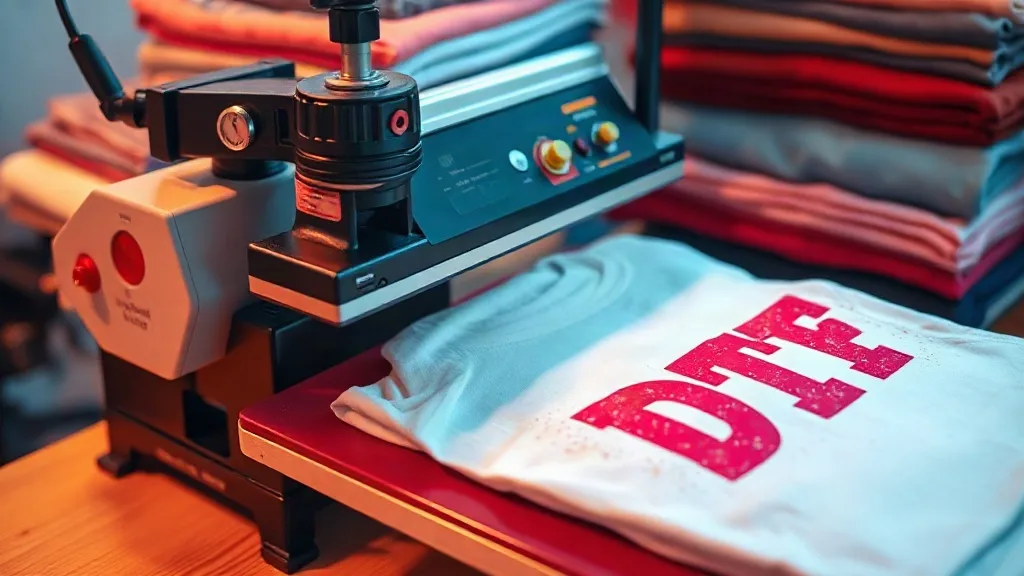
When you think about custom apparel, the method you choose can make or break your designs. Enter dtf, or Direct to Film, a printing technology that has quickly become a favorite among creators and small businesses. Unlike traditional methods, DTF transfers offer unmatched versatility and vibrant results. In this article, we'll explore why DTF transfers are a game-changer and how you can leverage them for your projects.
What Are DTF Transfers?
DTF stands for Direct to Film. It's a printing process where your design is printed onto a special film, then coated with a powder adhesive and cured. When you're ready to apply it, you simply heat press the film onto your fabric. The result is a durable, stretchable print that bonds well to cotton, polyester, and blends. Unlike DTG or screen printing, DTF doesn't require pre-treatment or specialized fabrics, making it incredibly accessible.
Why DTF Transfers Are Revolutionizing Custom Apparel
The apparel decoration industry has seen many trends, but few have been as impactful as DTF. Here's why:
- Vibrant colors: DTF printers use CMYK and white inks to produce bright, detailed designs that pop on both light and dark garments.
- Fabric versatility: From 100% cotton t-shirts to polyester hoodies and even nylon jackets, DTF adheres beautifully.
- Durability: When applied correctly, DTF prints withstand repeated washing without cracking or fading.
- Cost-effective for small batches: No minimum order quantities, making it perfect for one-off custom pieces or small businesses.
- No weeding or cutting: Unlike vinyl, DTF transfers come ready to press, saving time and labor.
How DTF Transfers Compare to Other Printing Methods
To appreciate DTF, it helps to see how it stacks up against other popular techniques.
DTF vs. DTG
Direct-to-garment (DTG) printing is great for 100% cotton, but it struggles on synthetic fabrics and often requires pre-treatment. DTF, on the other hand, works on almost any fabric and doesn't need pre-treatment, making it more versatile and often more durable.
DTF vs. Screen Printing
Screen printing is cost-effective for large orders but involves setup costs and is impractical for small batches or multi-color designs. DTF shines for small runs and complex designs with gradients and fine details.
DTF vs. Vinyl
Heat transfer vinyl (HTV) is limited to single-color designs and requires weeding. DTF allows full-color, photographic-quality prints without the tedious prep work.
Applications of DTF Transfers
DTF isn't just for t-shirts. Its versatility opens up a world of possibilities:
- Custom t-shirts and hoodies: Perfect for personalizing everyday wear.
- Sportswear: The stretchable nature of DTF makes it ideal for jerseys and leggings.
- Bags and accessories: Add logos or designs to tote bags, backpacks, and more.
- Home decor: Customize pillowcases, aprons, and even canvas shoes.
Getting Started with DTF Transfers
Ready to dive in? Here's a step-by-step guide to applying DTF transfers:
- Prepare your design: Create your artwork in a graphics program, mirror it, and print it onto DTF film using a DTF printer.
- Apply adhesive powder: While the ink is wet, sprinkle the powder evenly over the design, then shake off excess.
- Cure the film: Place the film in a curing oven or under a heat press for the recommended time and temperature.
- Heat press: Set your heat press to the recommended temperature (usually 150-160°C) and pressure. Place the transfer on your garment and press for 10-15 seconds.
- Peel and finish: Wait for it to cool slightly (or peel hot, depending on the film), then remove the film. For added durability, press again with a protective sheet.
Tips for Best Results
To ensure your DTF transfers look professional and last long, keep these tips in mind:
- Always test on a scrap piece of fabric before pressing onto your final garment.
- Use a heat press, not an iron, for consistent temperature and pressure.
- Store unused transfers in a cool, dry place to prevent moisture damage.
- Wash garments inside out in cold water and avoid fabric softeners to prolong the life of the print.
Frequently Asked Questions About DTF Transfers
Can DTF transfers be applied to any fabric?
DTF transfers work on a wide range of fabrics, including cotton, polyester, blends, and even some synthetics like nylon. However, for best results, always test on a small area first.
How long do DTF transfers last?
With proper application and care, DTF transfers can last as long as the garment itself. They are resistant to cracking, peeling, and fading, even after multiple washes.
Do I need a special printer for DTF?
Yes, DTF printing requires a dedicated DTF printer that uses pigment inks and prints onto PET film. However, you can also purchase pre-made DTF transfers from suppliers if you don't want to invest in a printer.
Is DTF printing cost-effective for small businesses?
Absolutely. DTF has low setup costs and no minimum order requirements, making it ideal for small businesses, crafters, and anyone doing short runs.
Can I use DTF transfers on dark colors?
Yes, DTF transfers include a white ink base, which allows vibrant colors to show up beautifully on dark fabrics. This is a major advantage over DTG, which often requires a white underbase.
DTF transfers are more than a trend; they're a practical solution for creating high-quality custom apparel with ease. Whether you're a small business owner, a hobbyist, or a designer, incorporating DTF into your workflow can open up new creative possibilities. With its versatility, durability, and vibrant results, it's no wonder DTF is taking the apparel world by storm.